Hosting Account Security: Beyond a Strong Password
Hosting account security starts with two-factor authentication. Lock down the login that controls DNS, billing, and backups before an attacker does.
By Matthew Zhao · Editor, Hosted EZ

Hosting account security matters more than the security of the site it hosts. The control-panel login can change DNS, read email, edit billing, and delete backups, so an attacker who takes it over owns everything at once. The settings that prevent that take an afternoon, and this guide covers them in the order they pay off.
The advice stays within what a small-site owner can do safely, and flags where your host needs to take over. Read how to choose a web host if you are still comparing providers, and our migration guide before changing live infrastructure.
Turn on two-factor authentication first
Protect the account that can change DNS, billing, and server access before anything else. Use a unique password and turn on a second factor wherever the host offers it; an authenticator app beats codes sent by text message. An application update cannot compensate for a stolen control-panel login.
Then make a short inventory: which email address recovers the account, who else has access, and which API keys or FTP accounts exist. Do not put passwords or recovery codes in the note. You want enough detail to retrace access without creating a new risk.
Where account takeover usually starts
Most takeovers start with the recovery path, not the password: an old email address you no longer control, a text-message reset, or a support agent talked into a reset by an impersonator. Walk your own recovery path once and close the weakest step.
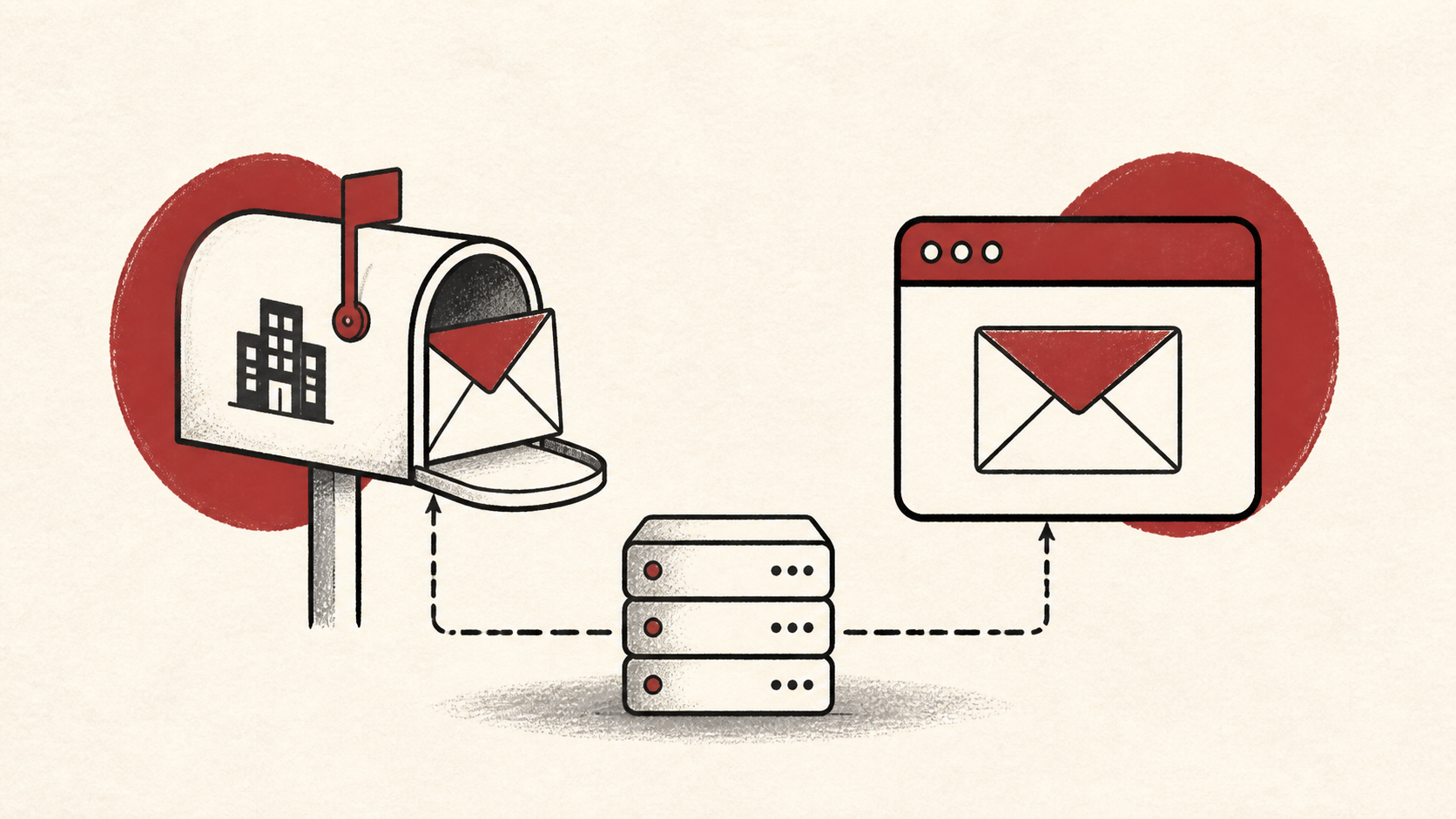
The mailbox that receives your reset links is the real master key. If that inbox has a weaker password than the hosting panel, an attacker goes through it and never touches the login you carefully secured. Give the recovery mailbox the same standard — unique password, authenticator-app second factor — and check its forwarding rules, because attackers who reach a mailbox often add a quiet forward so reset emails keep flowing to them after you change the password.
Keep backups outside the production account and practice a restore. If the hosting account is compromised, backups stored inside it disappear with everything else. A backup that has never been opened is a hope, not a recovery plan.
Test the result like an outsider
When an incident happens, preserve the evidence, restrict access, and work from a known-good copy. Avoid a string of unexplained changes that destroy the trail you need to understand the breach.
Test your hosting account security the same way an outsider would meet it: sign in from a private browser window and confirm the second factor is actually demanded. A setting that was saved but never verified protects nobody.
When to stop and ask for help
Stop when the next action could remove your own access, and never test recovery flows in a way that could lock the account. If you suspect a takeover, contact your host from the email address on file, with the domain, UTC time, and what you observed. Never include private keys, passwords, or full payment information.
Hosting security is broader than the login: the same panel usually manages your HTTPS certificates, and Let's Encrypt documentation explains how their issuance and renewal works: Let's Encrypt documentation. Certificate settings live behind the login you are protecting.
Make hosting account security a habit
Review access twice a year: remove people who left, delete unused API keys and FTP accounts, and confirm the recovery email is one you still control. Hosting security decays quietly. A dated review note turns the next scare into a lookup instead of an investigation.
Keep the change auditable
Write down each security setting you change, its old value, the time, and the result of your sign-in test. This record is useful even when everything works; a few months later it tells you why a setting has an unusual value.
Do not confuse an account dashboard with evidence. A dashboard can show a second factor as enabled while an old app password or API key still bypasses it. Test from outside the account, in a fresh session.
One last check
Before you move on, sign in fresh from a private window and confirm the password manager, the second factor, and the recovery email all behave the way you expect. A quiet confirmation now is much easier than discovering a locked account during an outage.
Leave a useful handoff
Save a note of who has access, at what level, and when it was last reviewed. If someone else inherits the account, they should see the security posture without reconstructing it from memory.
Bottom line
Hosting account security comes down to a unique password, two-factor authentication, a recovery path you actually control, and backups stored outside the account. Do those four things, review access twice a year, and most takeover paths are closed.
Frequently asked questions
Do I need to change every security setting at once?
No. Change one setting, confirm you can still sign in, and keep the previous state recorded until you know the result is stable. Locking yourself out is the most common self-inflicted injury here.
What should I tell hosting support if I suspect an account takeover?
Give the domain, UTC time, what you observed, and which credentials might be exposed, sent from the contact address on file. That is usually enough for support to check access logs and freeze the account.
Should I keep a backup before tightening account security?
Yes. Verify a recent backup stored outside the hosting account before you rotate credentials or remove access, so a mistake cannot take your data with it.
Where should I keep two-factor recovery codes?
Somewhere that survives losing your phone but is not the account's own inbox: a password manager entry or a printed copy filed with other important papers both work. Codes stored in the mailbox the account uses for resets defeat the point, because anyone who reaches that inbox then holds both keys.
About the author
Matthew Zhao
Matthew has spent his career running production server fleets — tens of thousands of machines' worth. He writes about hosting the way he wishes someone had explained it to him: plainly.
About Hosted EZ →Get the next guide in your inbox
One email when we publish something worth your time. No spam, unsubscribe whenever.