How-To4 min read
The Common Mistakes That Cause Website Migration Downtime
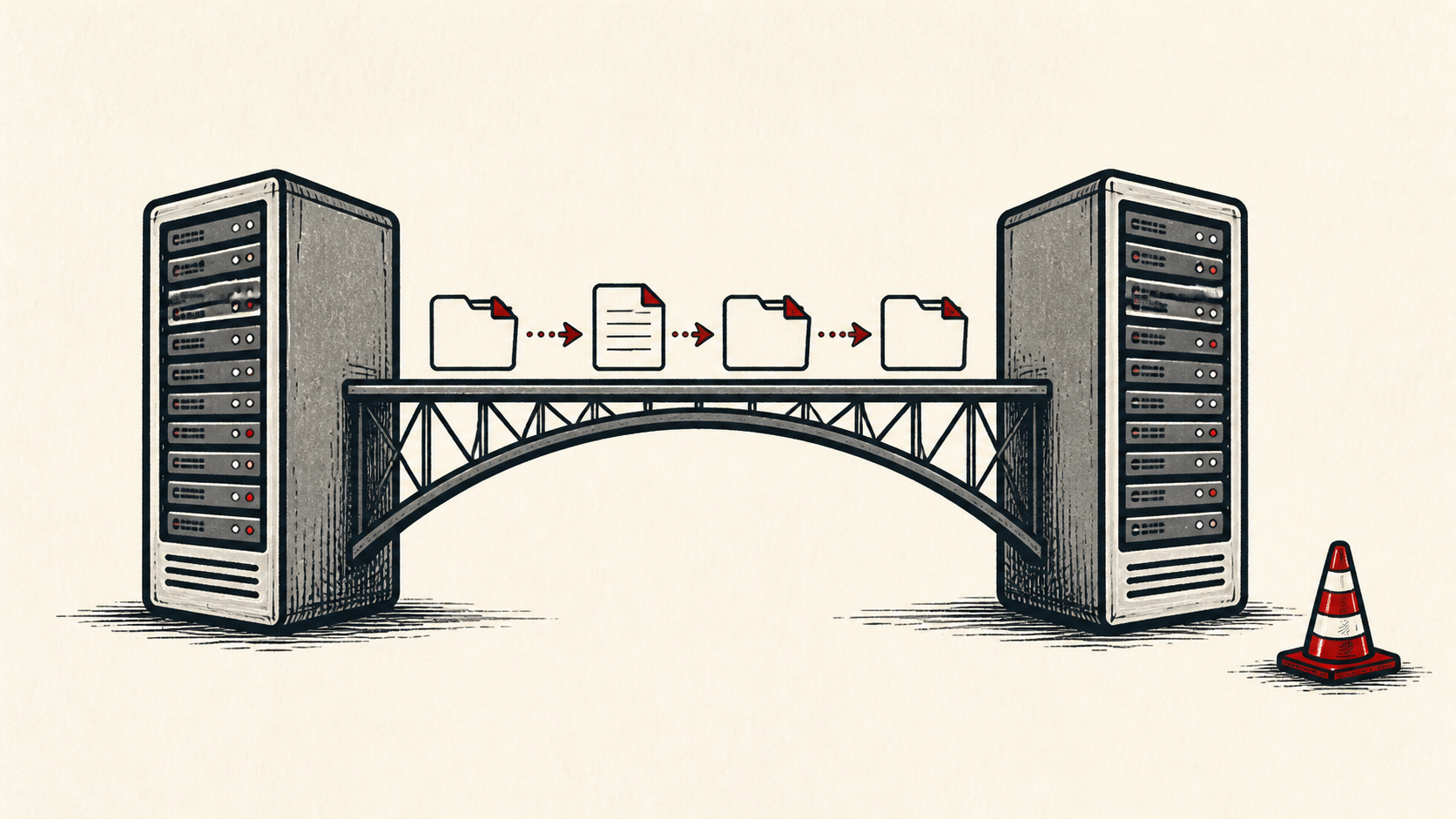
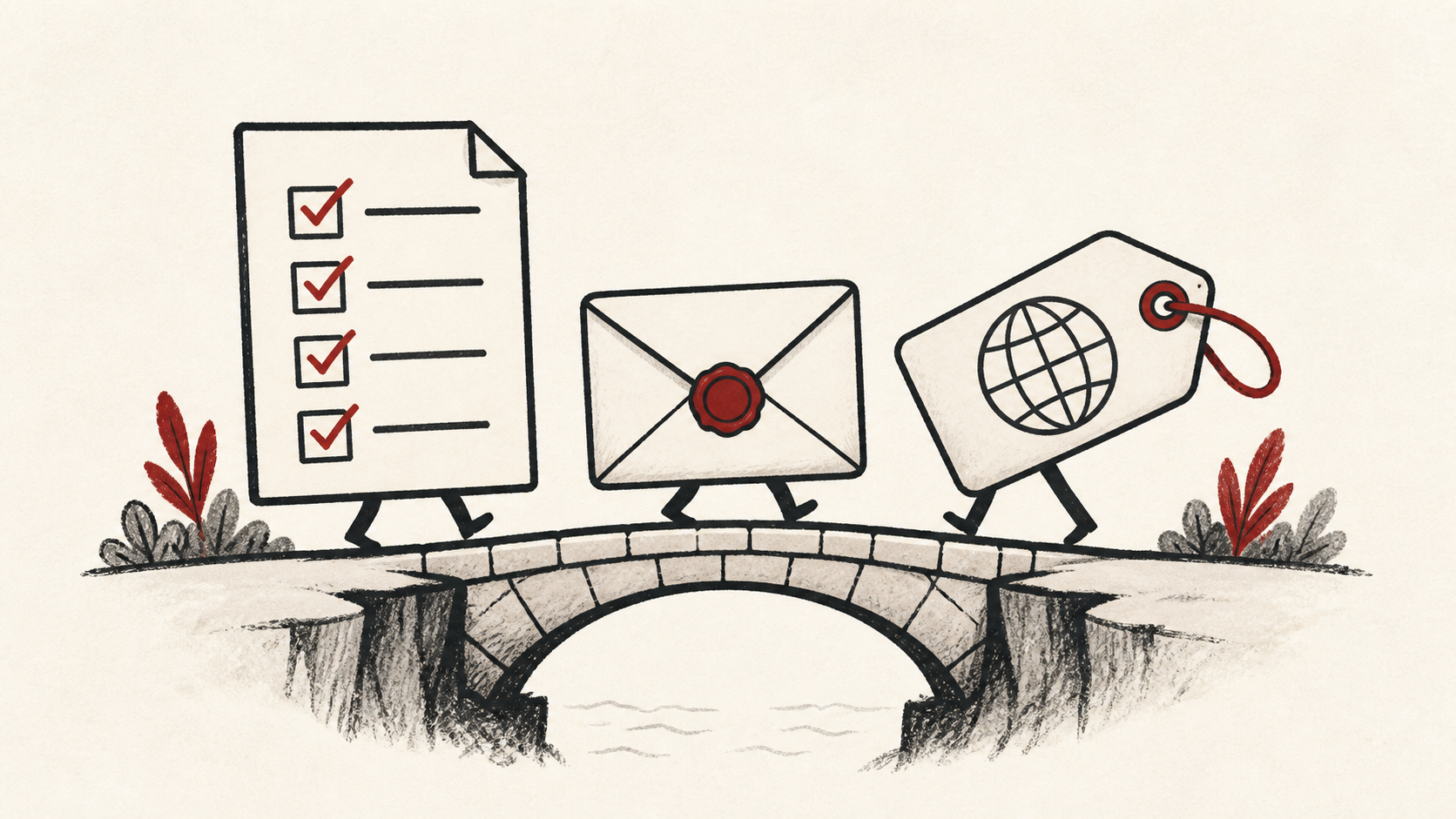
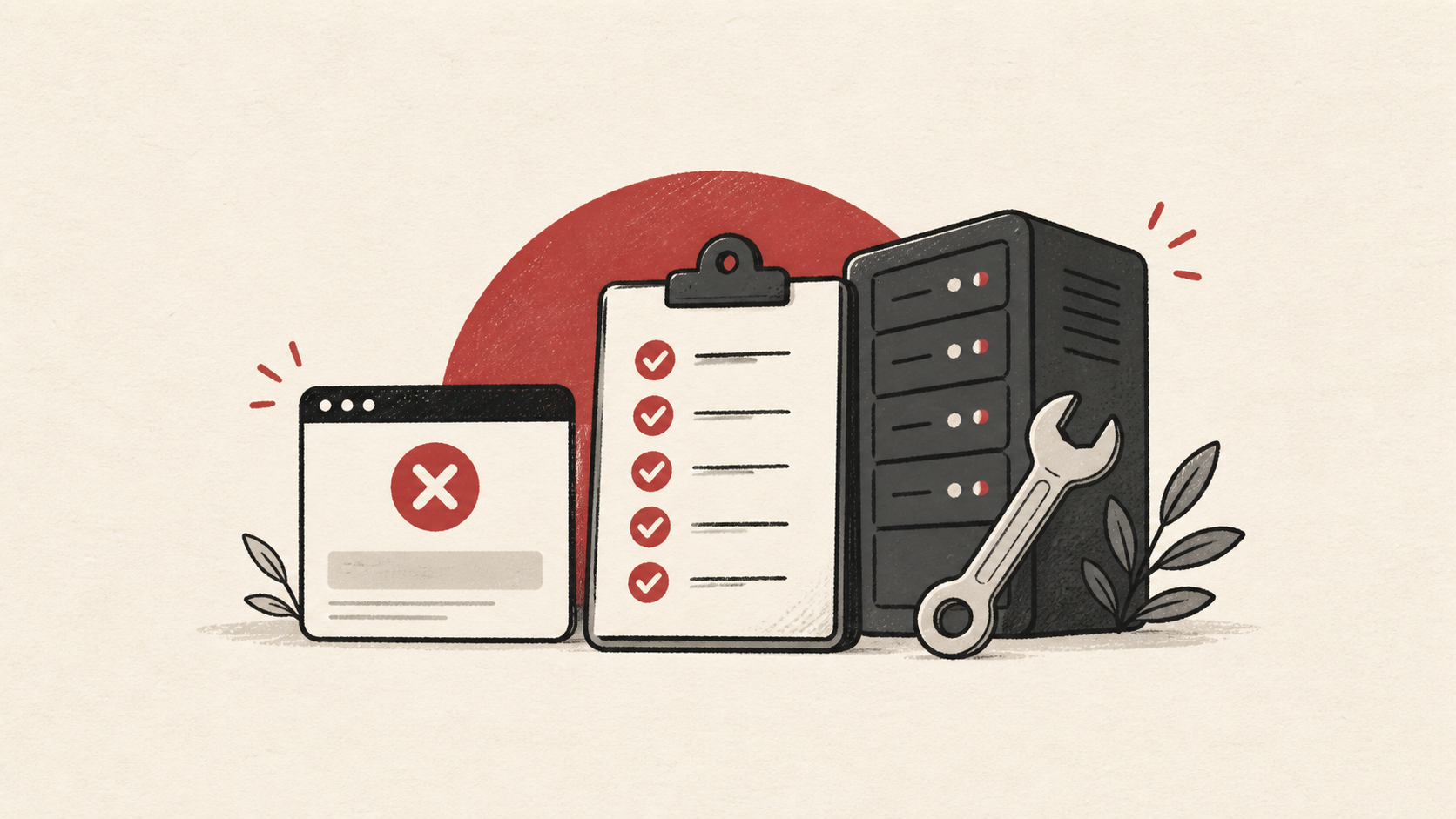
Website migration downtime is avoidable. The common mistakes that cause it, and how a checklist, a TTL drop, and an overlap period prevent it.
Step-by-step tutorials for the hands-on parts: DNS, migrations, and more.
Website migration downtime is avoidable. The common mistakes that cause it, and how a checklist, a TTL drop, and an overlap period prevent it.
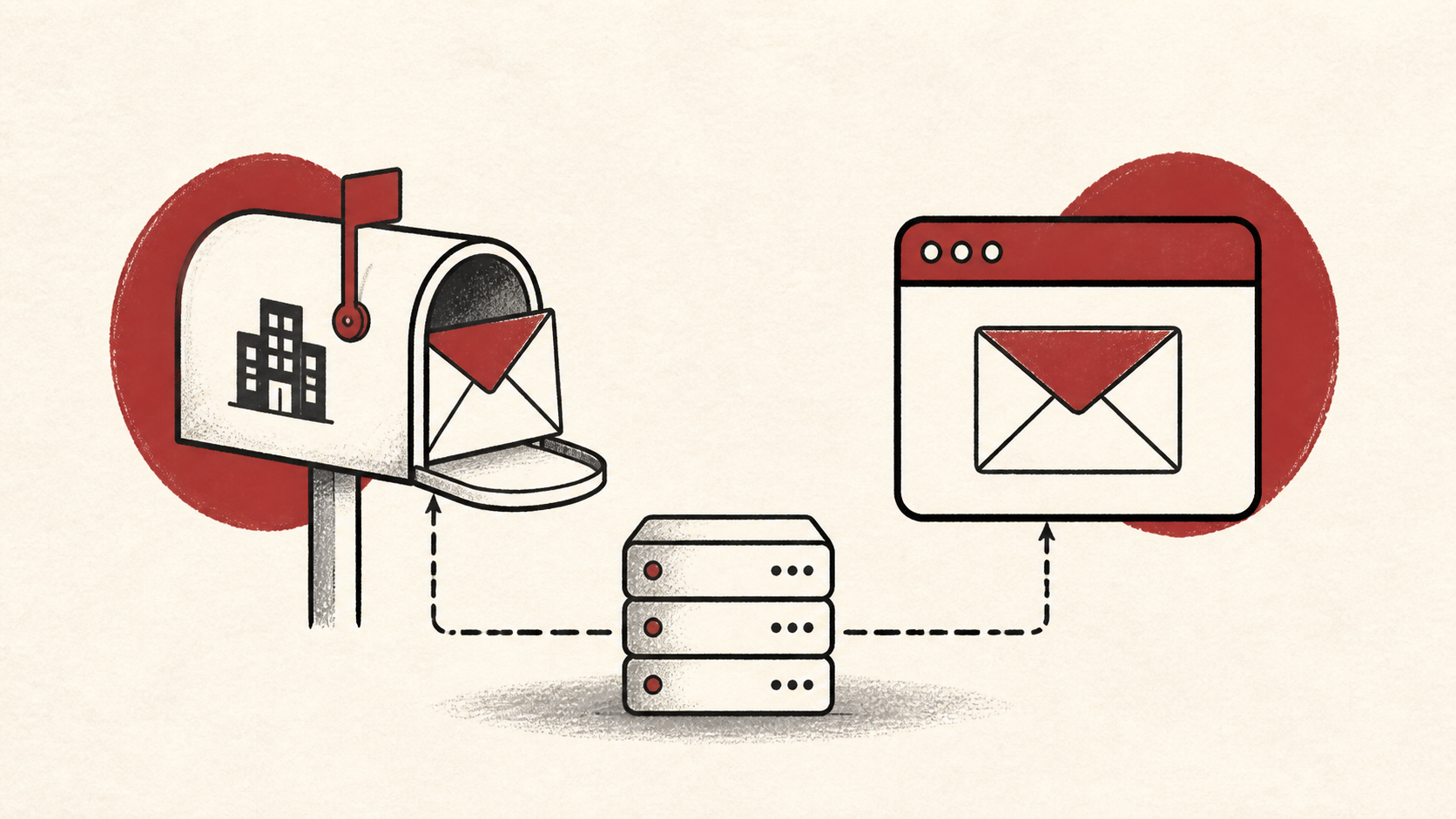
Business email is the address and service at your own domain; webmail is just a way to read it. What each covers and which choices matter.
Catch-all email sounds like a safety net but invites spam. When a catch-all address makes sense, what it costs, and how to limit the damage.
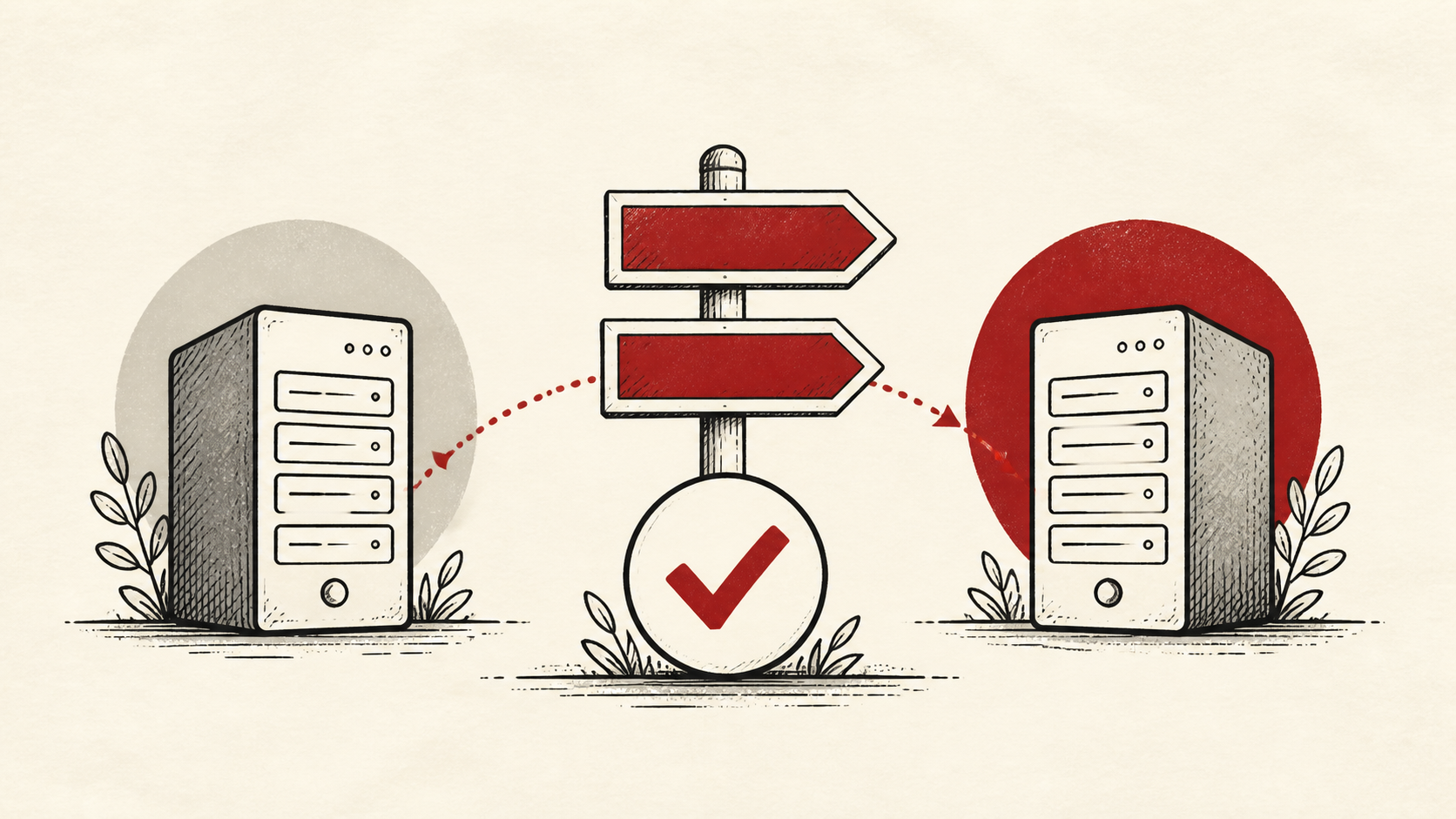
How to change nameservers without breaking your site or email: export your zone first, switch at the registrar, then verify before you relax.
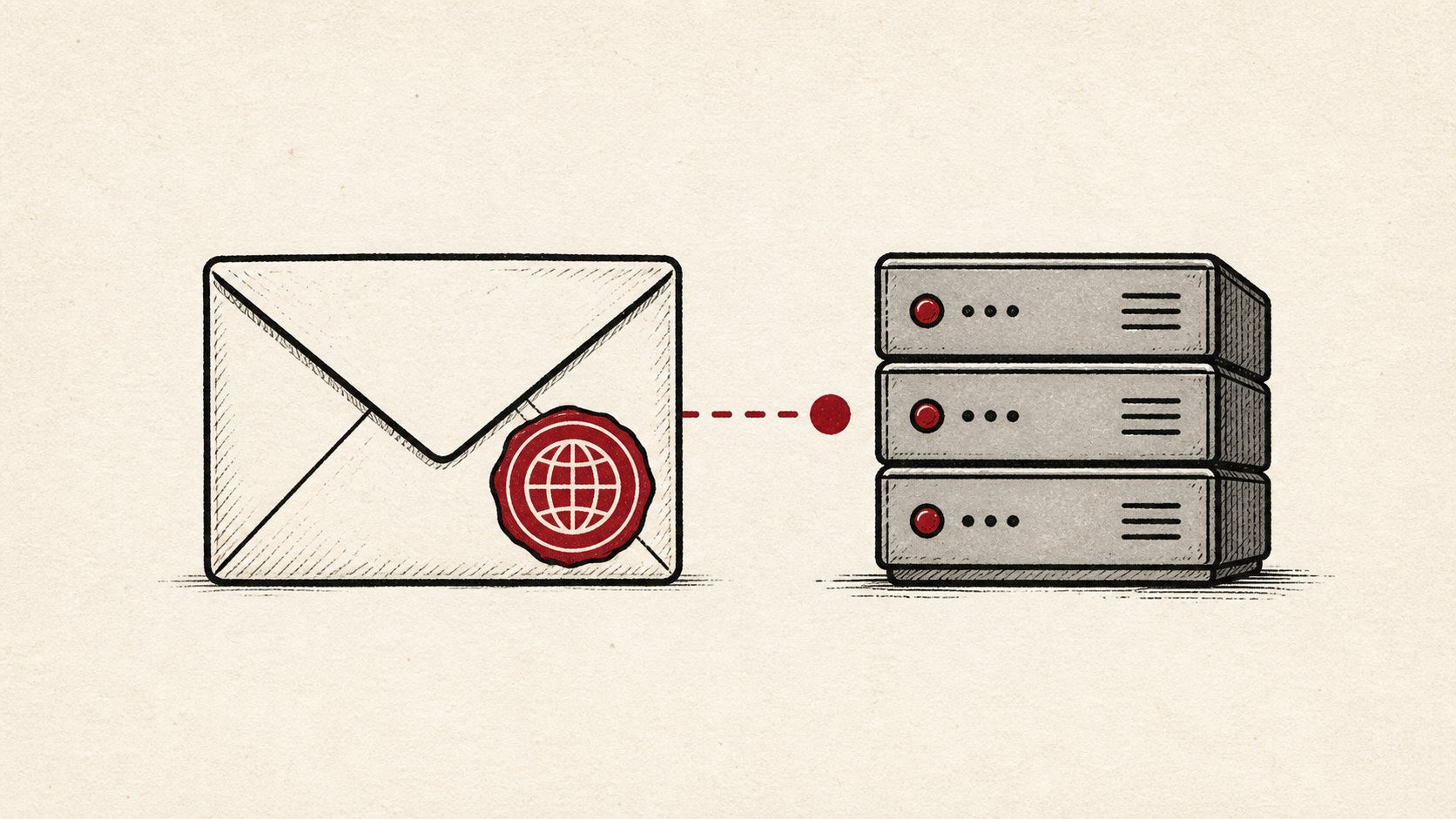
Custom domain email in an afternoon: pick a mail service, add the records it asks for, and test delivery before you switch anything else.
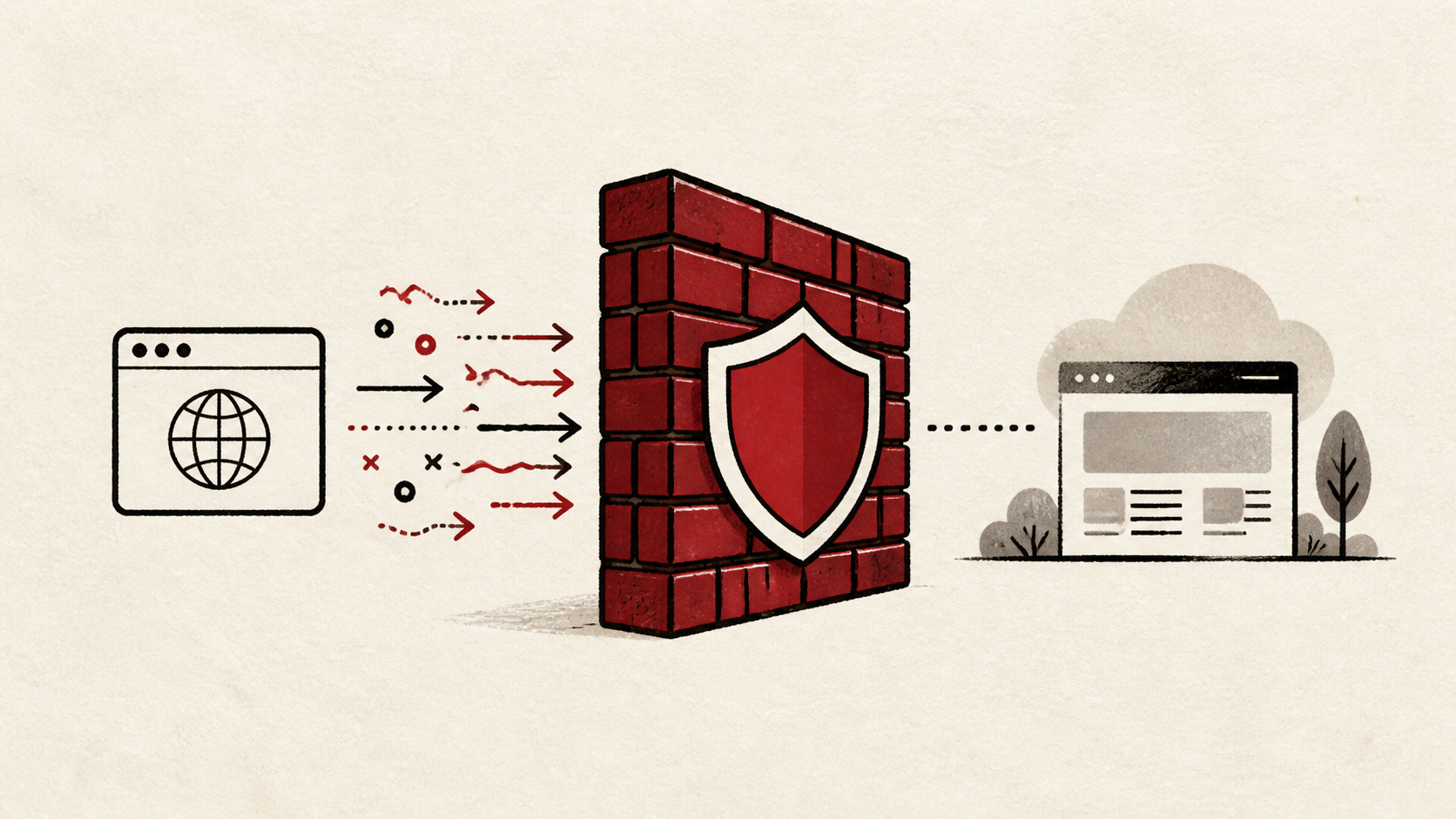
DDoS protection for small sites: what your host covers, when a web application firewall helps, and what to do while an attack is running.
DNS propagation is caching, not copying. What controls DNS propagation time, how to check it worldwide, and how TTL speeds it up.
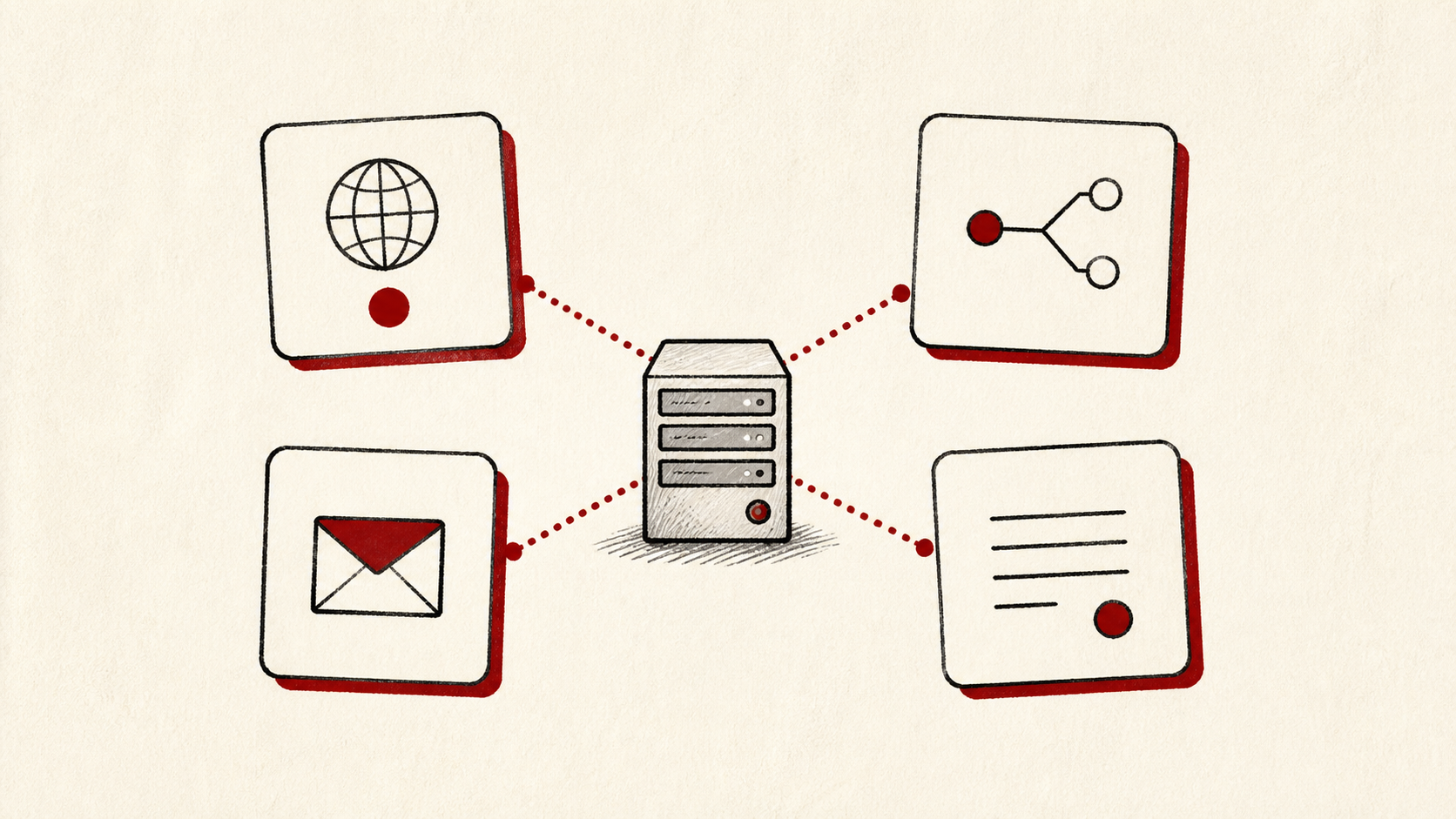
DNS records tell the internet where your site and email live. What A, CNAME, MX, and TXT records do, and how to edit them safely.
DNSSEC signs your DNS answers so forgeries get caught. What it protects, how it breaks, and whether a small site should turn it on.
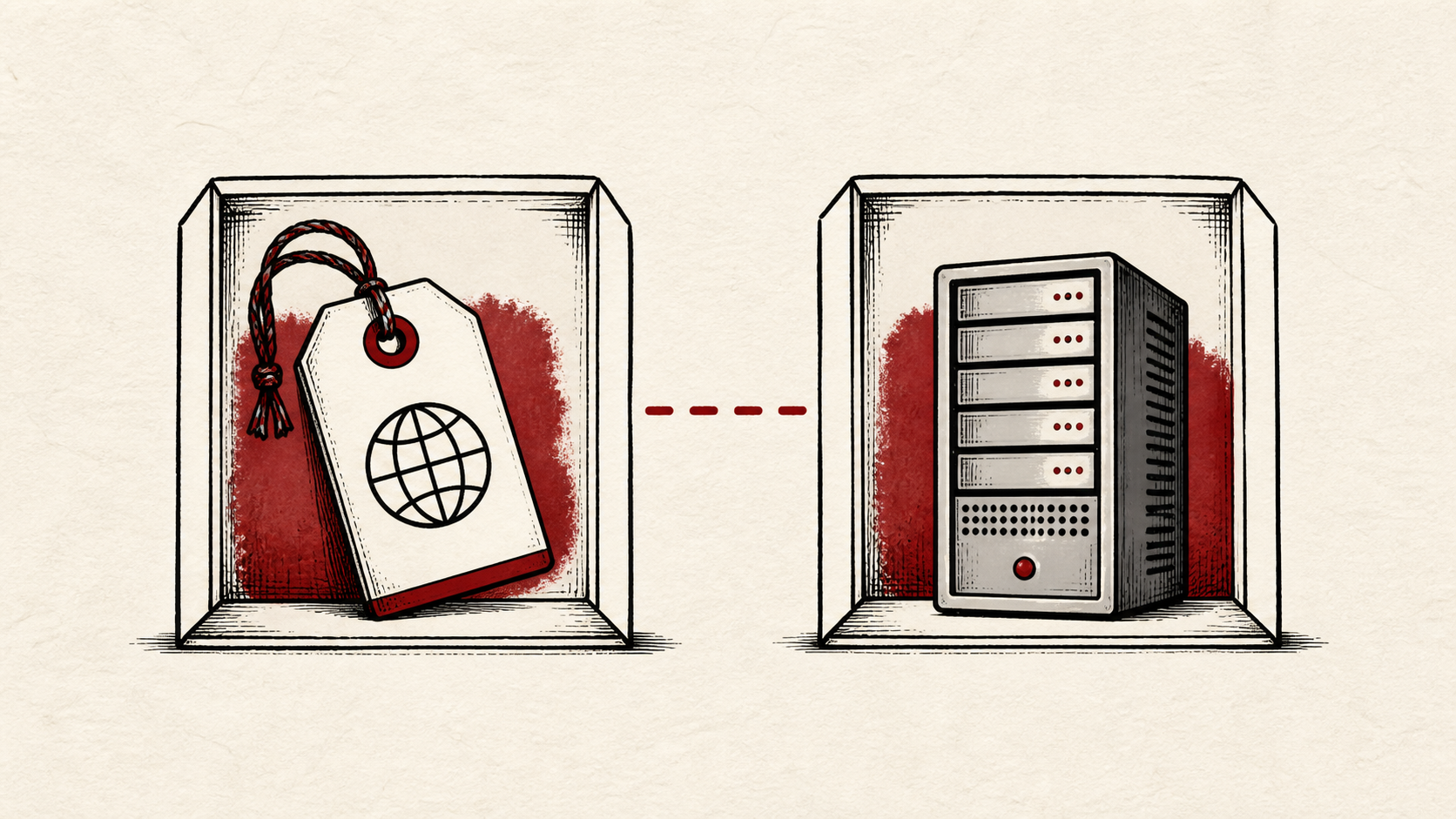
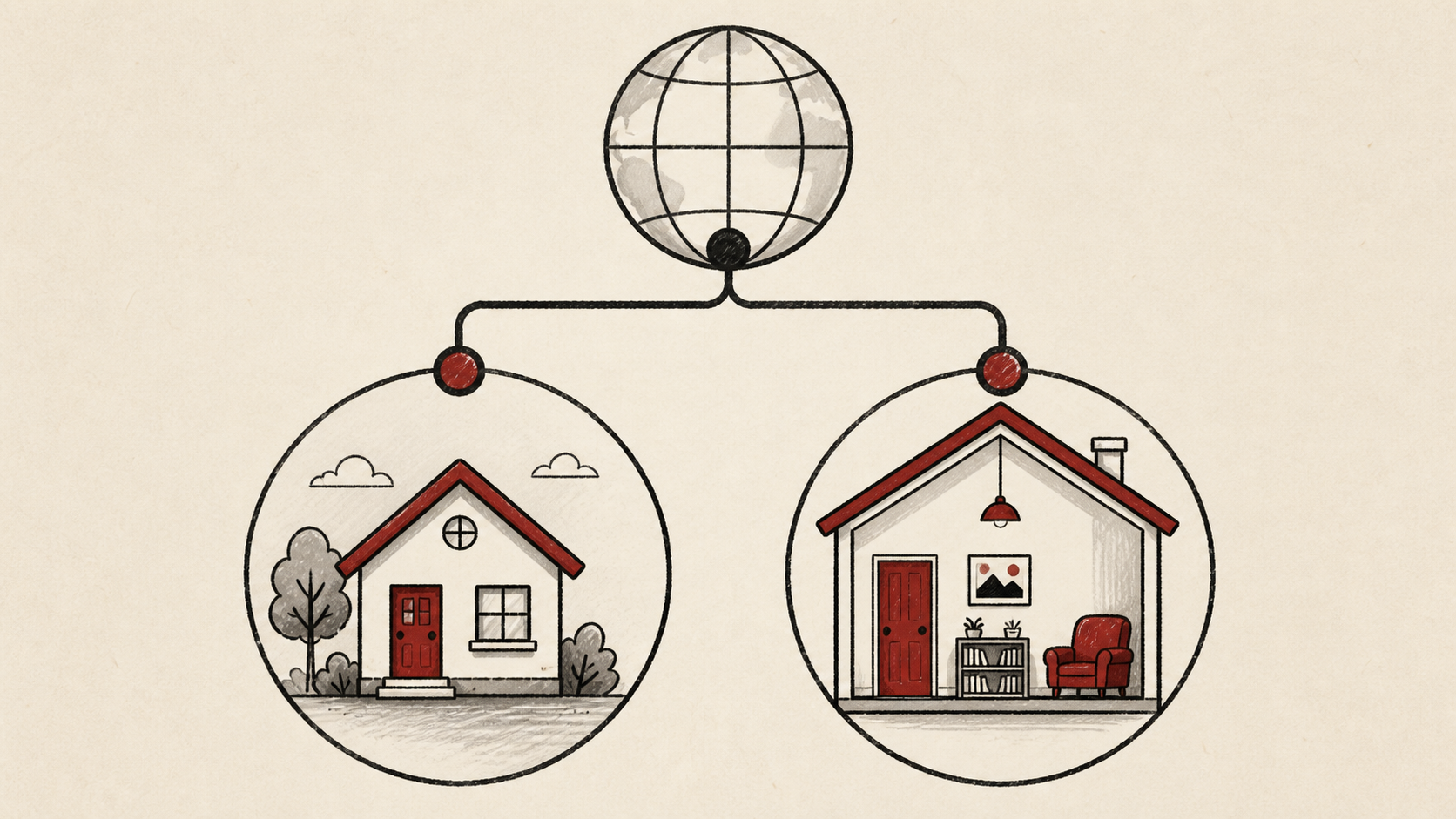
Domain registration vs hosting, untangled: what a registrar does, what a host does, and when keeping them at separate companies pays off.
Domain transfer checklist: copy DNS records first, unlock the domain, get the EPP code, and keep email working while the move completes.
Email deliverability for a new domain: set up SPF, DKIM, and DMARC, test with real messages, and keep your mail out of the spam folder.
Email forwarding is easy to set up and easy to break. Why forwarded email lands in spam, how SPF fails on a forward, and safer alternatives.
An email migration checklist for a domain move: copy mailboxes over IMAP, update the MX record last, and cut over without losing a message.
Export a website backup before leaving a host: download every file, run a database export, and verify the archive restores before you cancel.
File permissions explained in plain terms: what 644 and 755 mean, when chmod is the right tool, and how file ownership breaks updates and uploads.
A 500 internal server error means the server failed, not your browser. Where to find the server error log and how to fix the error step by step.
503 Service Unavailable means the server cannot handle requests right now. Learn whether overload, maintenance, or a crashed service is behind it.
504 Gateway Timeout means one server gave up waiting for another. Trace the slow upstream server, apply a safe fix, and confirm it like a visitor.
A free SSL certificate covers most small sites. What Let's Encrypt includes, how automatic renewal works, and what to check when it fails.
Hosting account security starts with two-factor authentication. Lock down the login that controls DNS, billing, and backups before an attacker does.
A hosting backup you have never restored is a hope, not a plan. How to test backups, practice a safe restore, and set sensible retention.
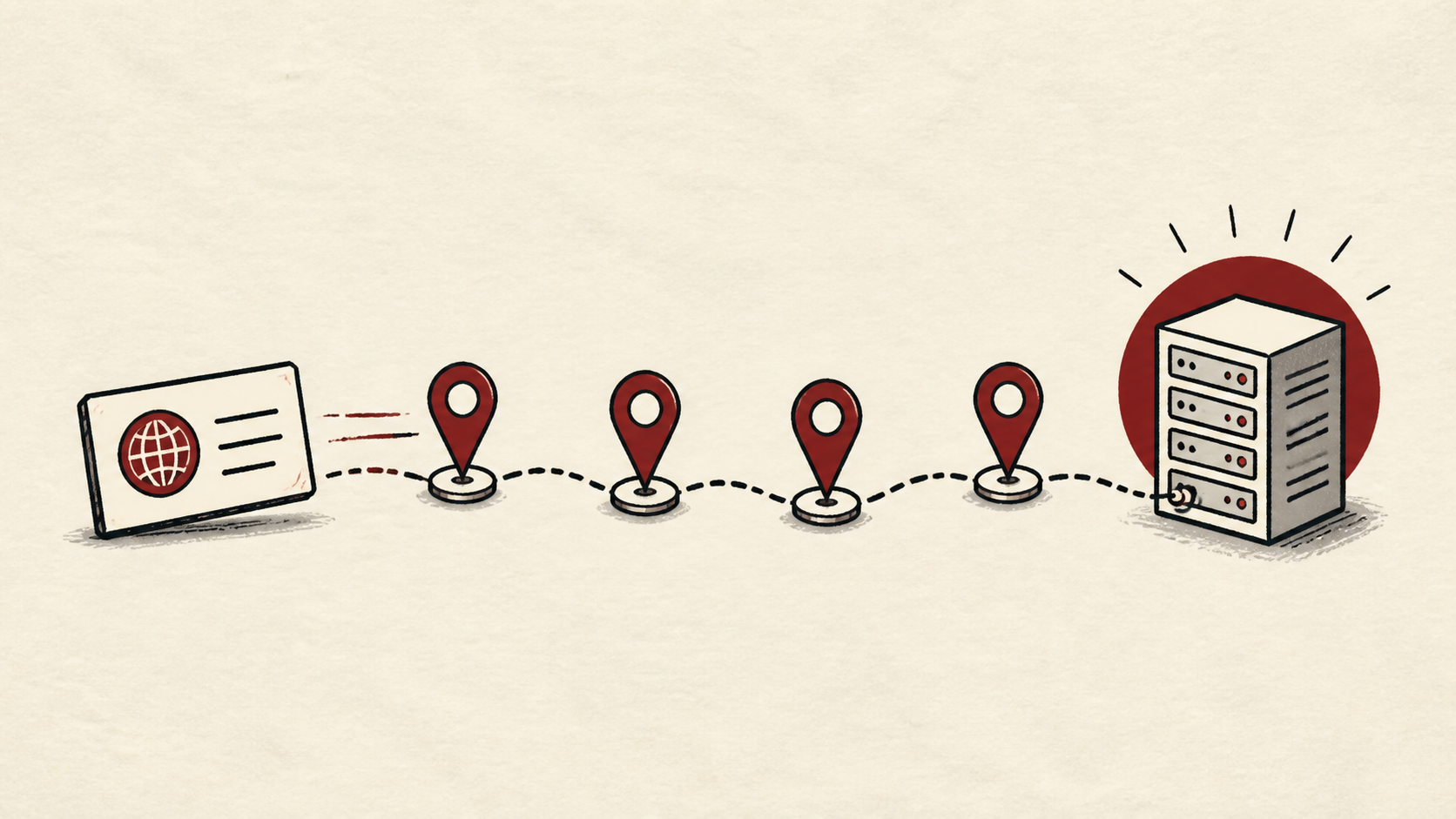
How does DNS work? Follow a DNS lookup from your browser to the answer, learn why changes take time, and see which settings you actually control.
Lower your DNS TTL a day before a migration and the cutover finishes in minutes. What TTL controls, the value to set, and when to raise it back.
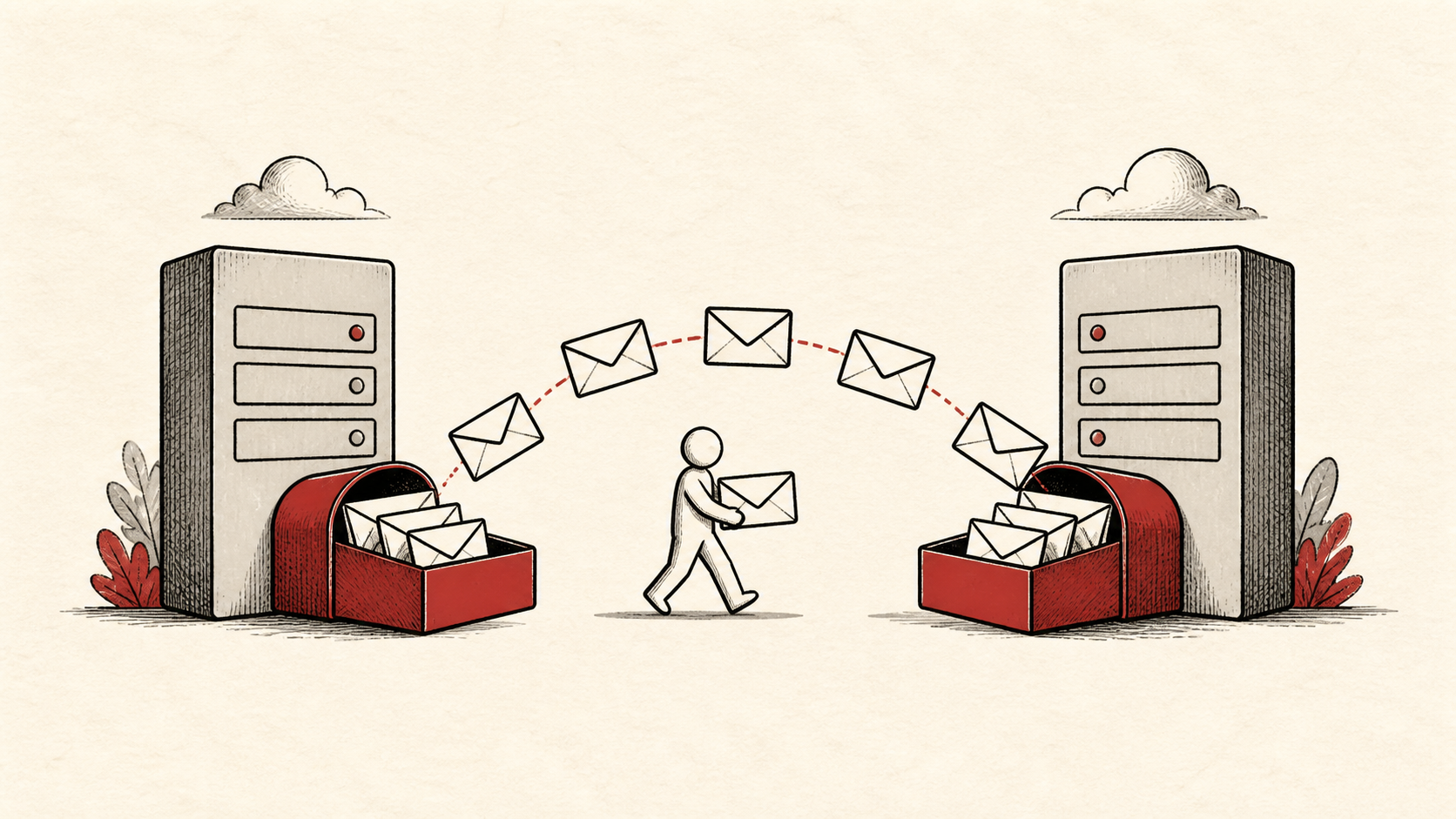
Migrate email to a new host without losing messages: create mailboxes first, copy mail over IMAP, switch DNS last, and keep the old account live.
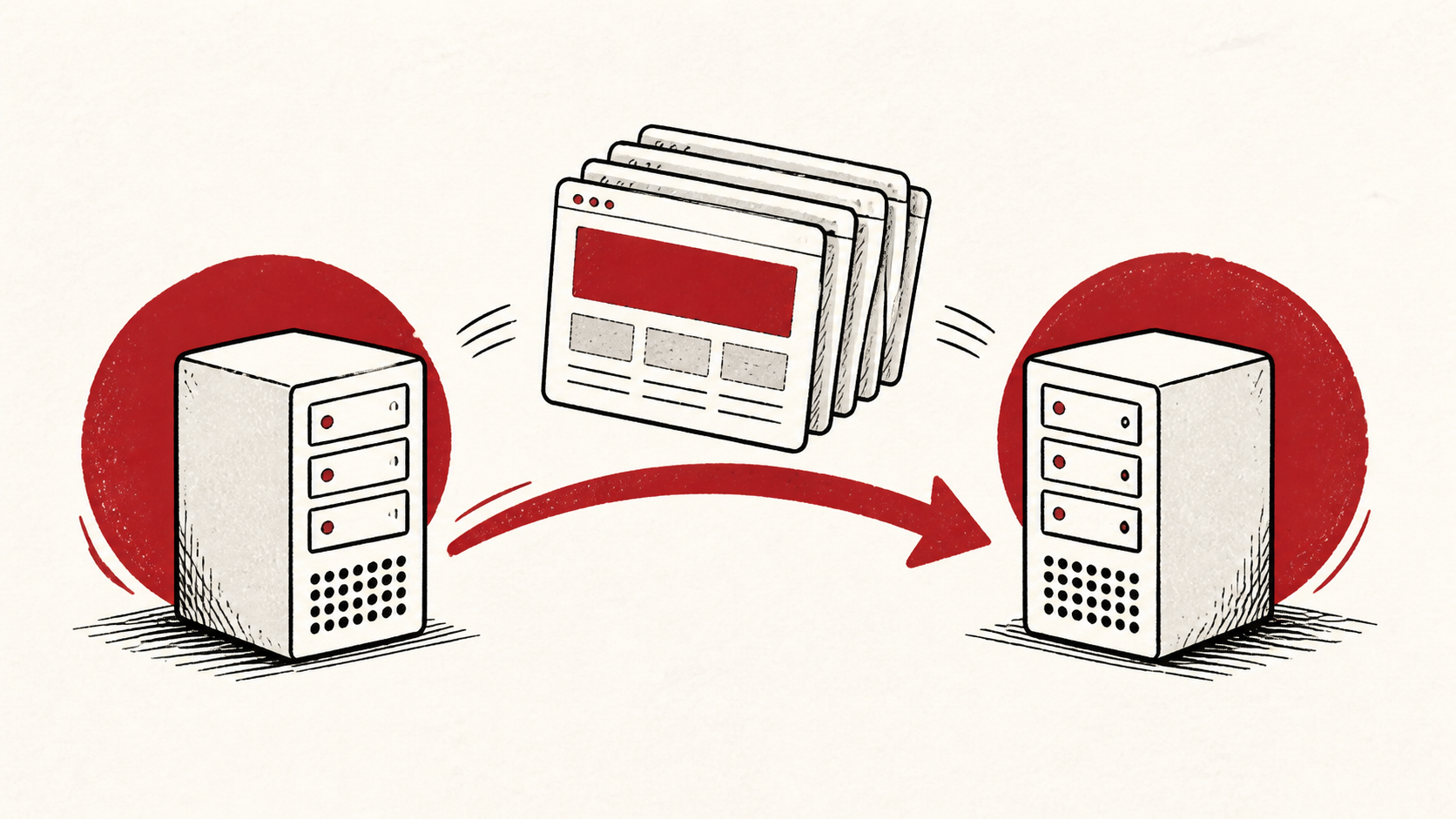
Static site hosting makes moving easy: copy the files, test on the new host, then point DNS. The steps, in the order that avoids broken links.
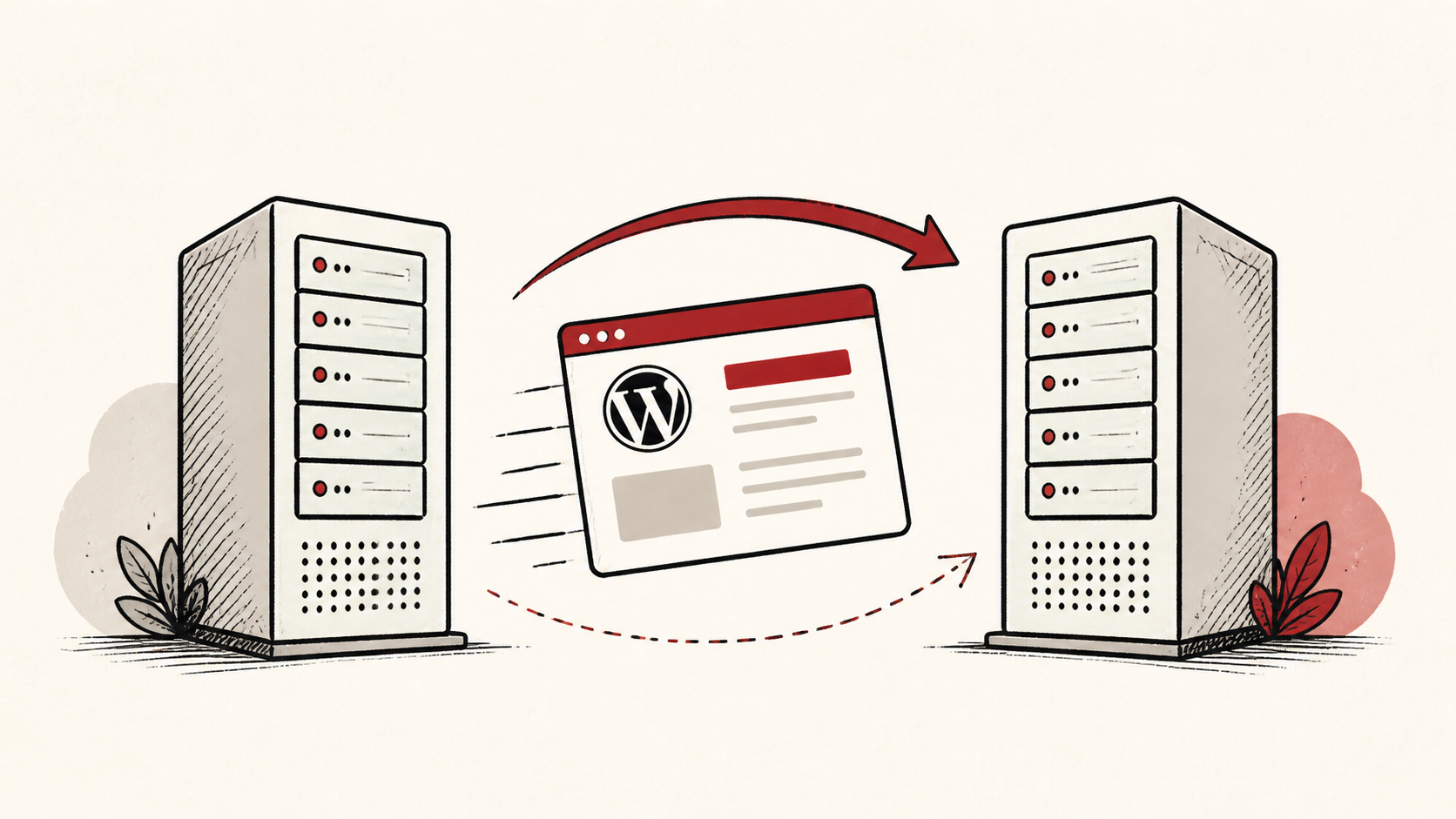
Move WordPress to a new host without breaking it: take a full backup, copy files and database, test before DNS changes, and keep a rollback ready.
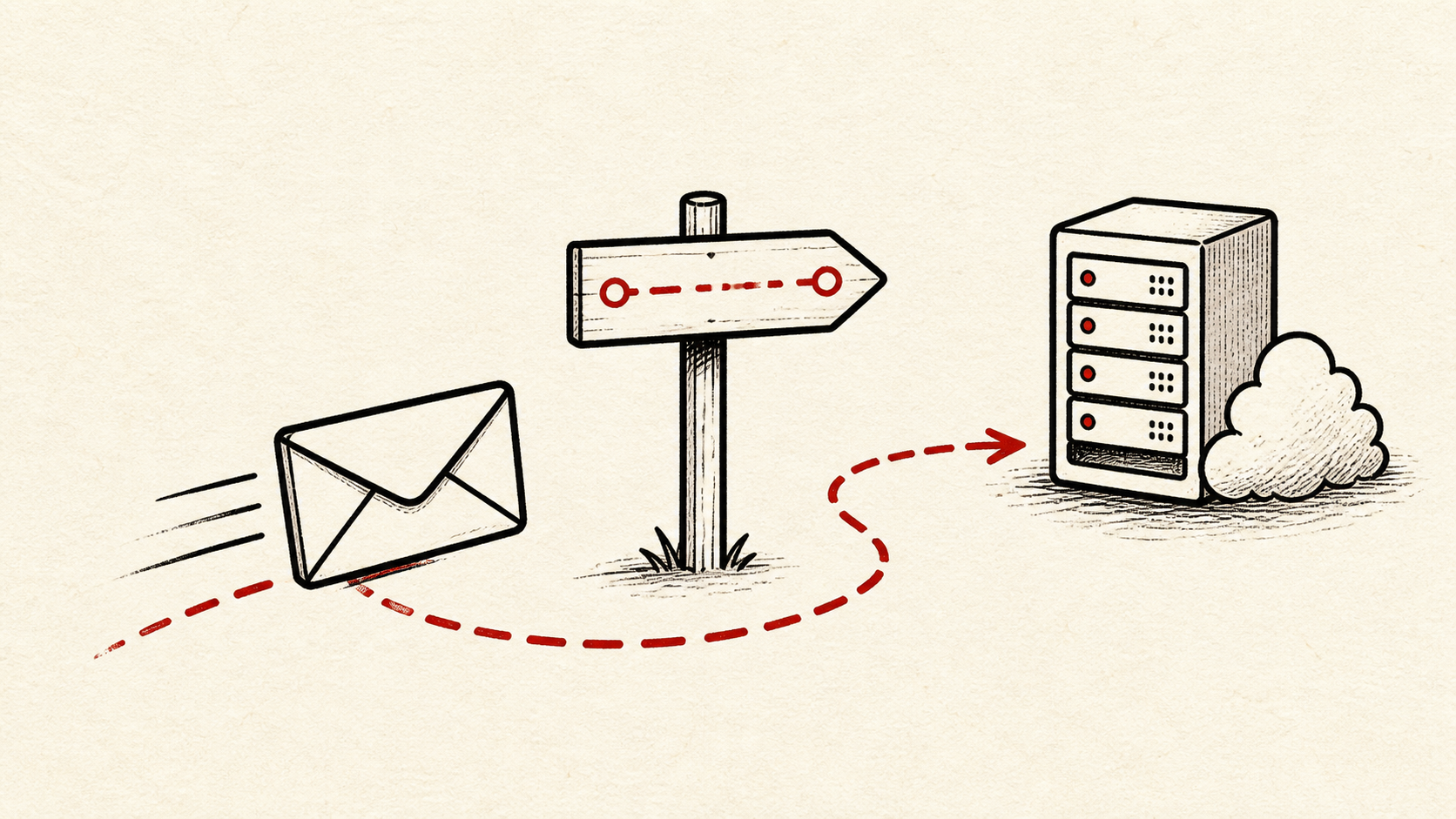
MX records tell the internet which server accepts email for your domain. How to read yours, change them safely, and test where mail really lands.
A post migration checklist for the first day and week: pages, forms, TLS, email, redirects, cron jobs, and the SEO checks that protect rankings.
How to roll back a website migration safely: revert DNS, restore a backup without losing new data, and keep the old host as cheap insurance.
A security update policy you can keep: which software security updates need same-day action, a realistic patching schedule, and safe testing.
SPF, DKIM, and DMARC in plain English: what each DNS record does, the order to add them, and how to test that email authentication passes.
Subdomain vs subdirectory: what each one is, how the choice affects SEO and hosting, and a simple rule for deciding in 2026.
Test your website before the DNS change: preview it on the new host with your hosts file and fix what broke while visitors still see the old site.
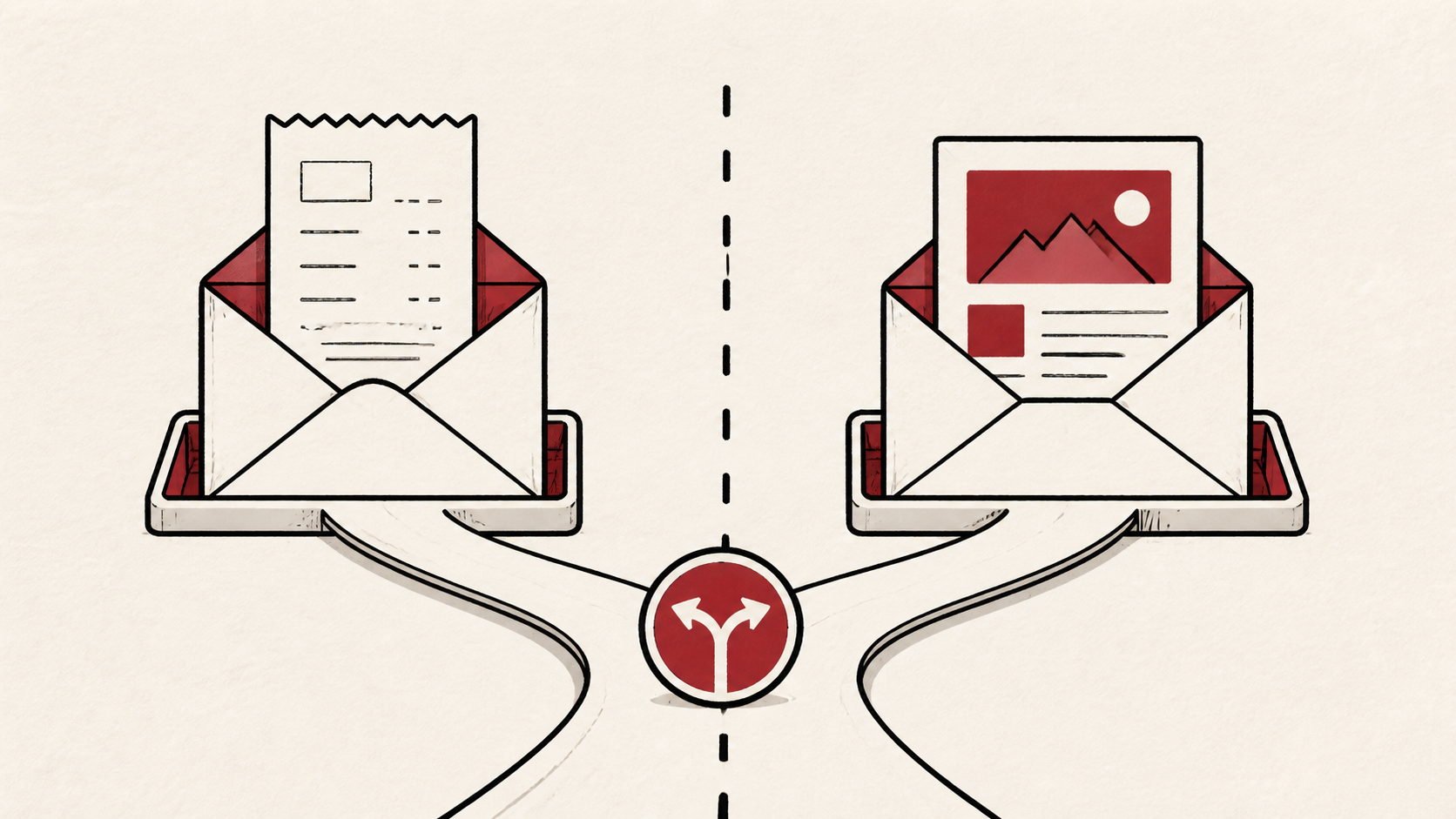
Transactional email and marketing email need separate senders. Why mixing them lands receipts in spam, and how to split the two streams.
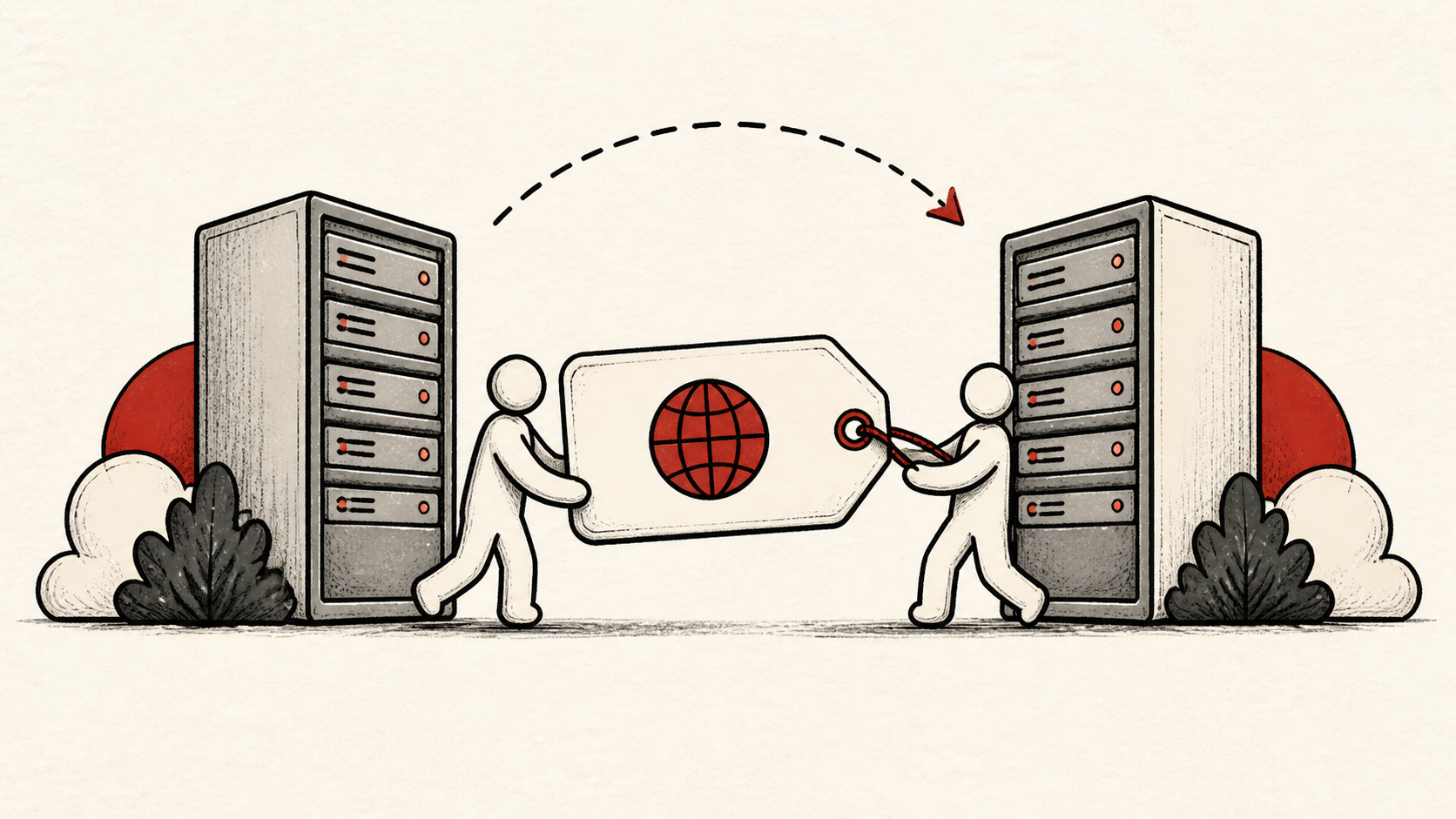
Transfer a domain without downtime. What a registrar transfer actually changes, why sites go dark mid-move, and the order that keeps yours up.
A web application firewall (WAF) blocks malicious traffic before it reaches your site. What a WAF can and can't do, and how to enable one safely.
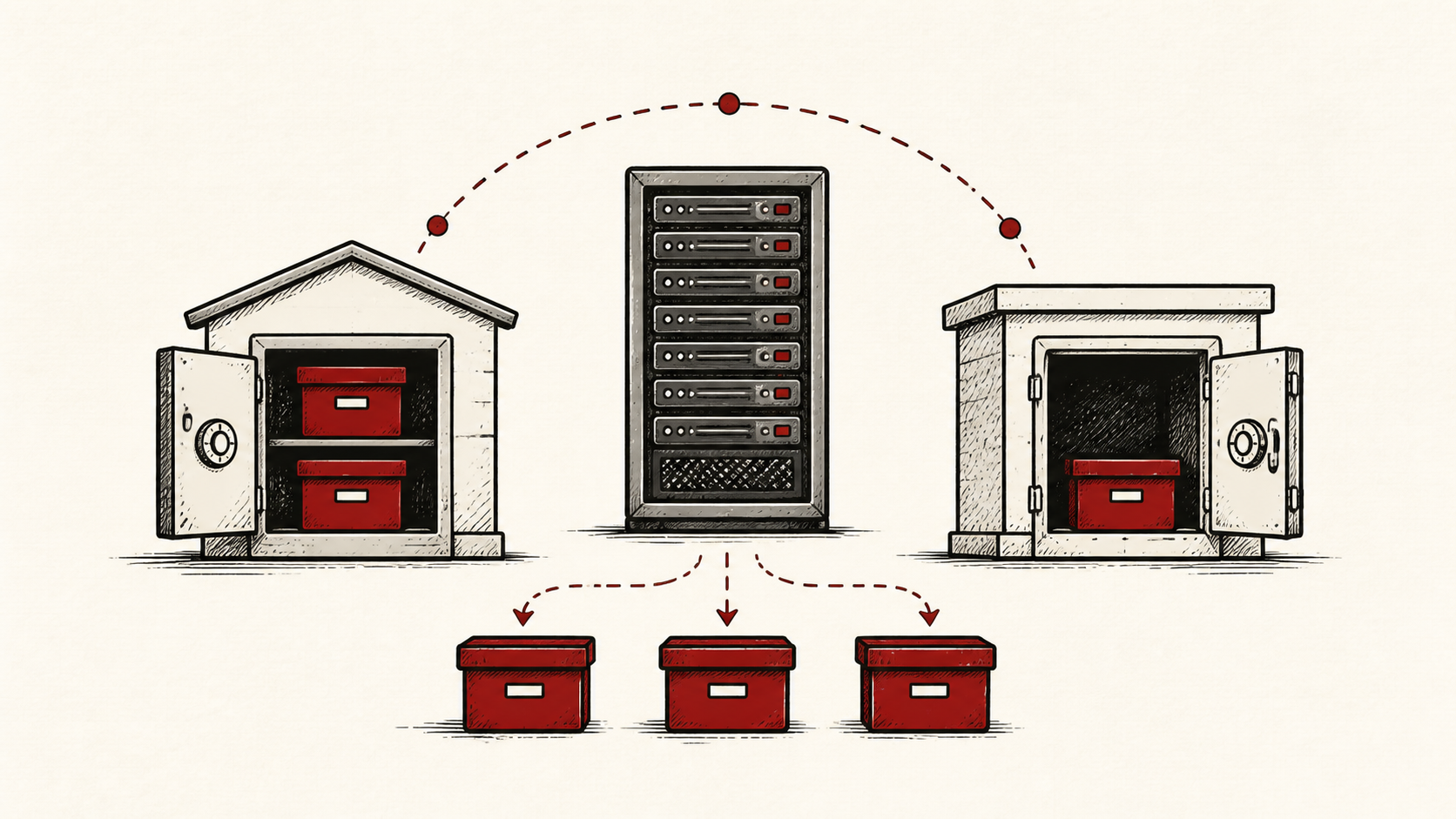
The 3-2-1 backup rule — three copies, two kinds of storage, one offsite — applied to a real website backup, without enterprise tools.
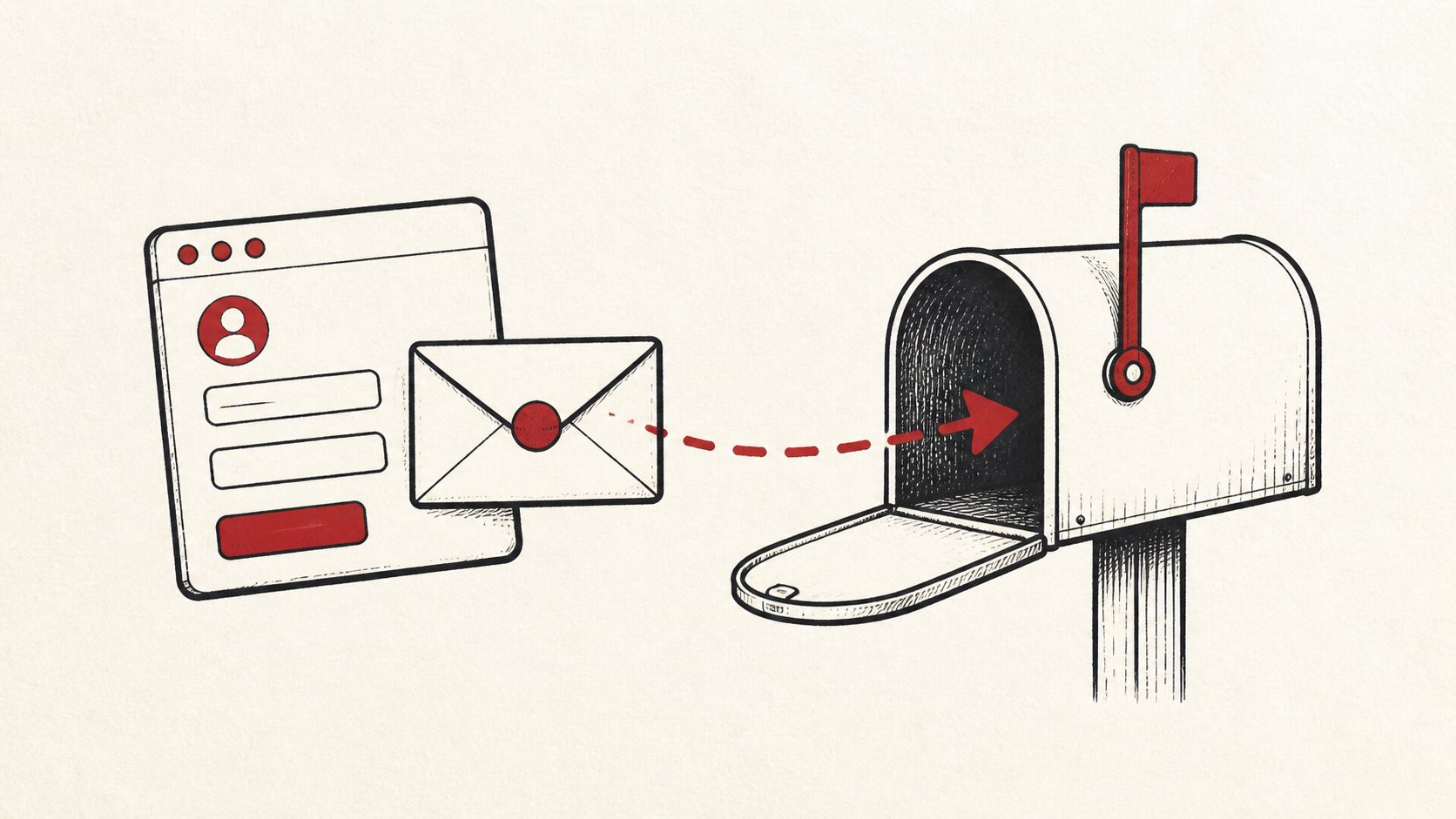
Contact form not sending email? The usual causes — server mail defaults, missing SMTP, failed authentication — and how to fix each one.
Website down? A calm checklist — confirm it with a website down checker, work out why, and fix it without making the outage worse.
An incident response plan for a small website — who has access, what to check first, when to call the host, and the postmortem that prevents repeats.
Website malware removal, step by step: confirm the hack, preserve evidence, restore a clean copy, and lock down the accounts that matter.
Website migration checklist for small sites: inventory everything, test on the new host, and keep a rollback ready before DNS moves.
WordPress admin security in practical steps: protect logins first, back up before changes, and test wp-admin after every update.
WordPress backup strategy in plain terms: what to copy, where to keep it, and how to prove the restore works before you need it.
WordPress database cleanup, done safely: what causes database bloat, which tables you can trim, and the backup to take before you touch wp_options.
Find your WordPress error log fast: where the PHP error log lives, how to turn on WP_DEBUG safely, and how to read the first useful line.
WordPress hosting requirements for 2026: the PHP version, database, memory, and HTTPS baseline to check before you buy or renew a plan.
Change your WordPress PHP version without breaking the site: check PHP compatibility, test on staging, and keep a fast rollback path.
WordPress plugins slow your site by behavior, not count. How to find the slow one, measure plugin performance, and decide what earns its keep.
Use a WordPress staging site to test changes safely: what belongs on staging, what to sync, and how to push to production without surprises.
WordPress updates break sites when they run in the wrong order. A checklist to update WordPress safely: backup, staging, one change at a time.
WordPress white screen of death, fixed in a safe order: turn on error logging, rule out plugins and the theme, then check the PHP memory limit.
WWW vs non-www is a choice you make once: pick a canonical domain, set one permanent redirect, and check the certificate covers both names.
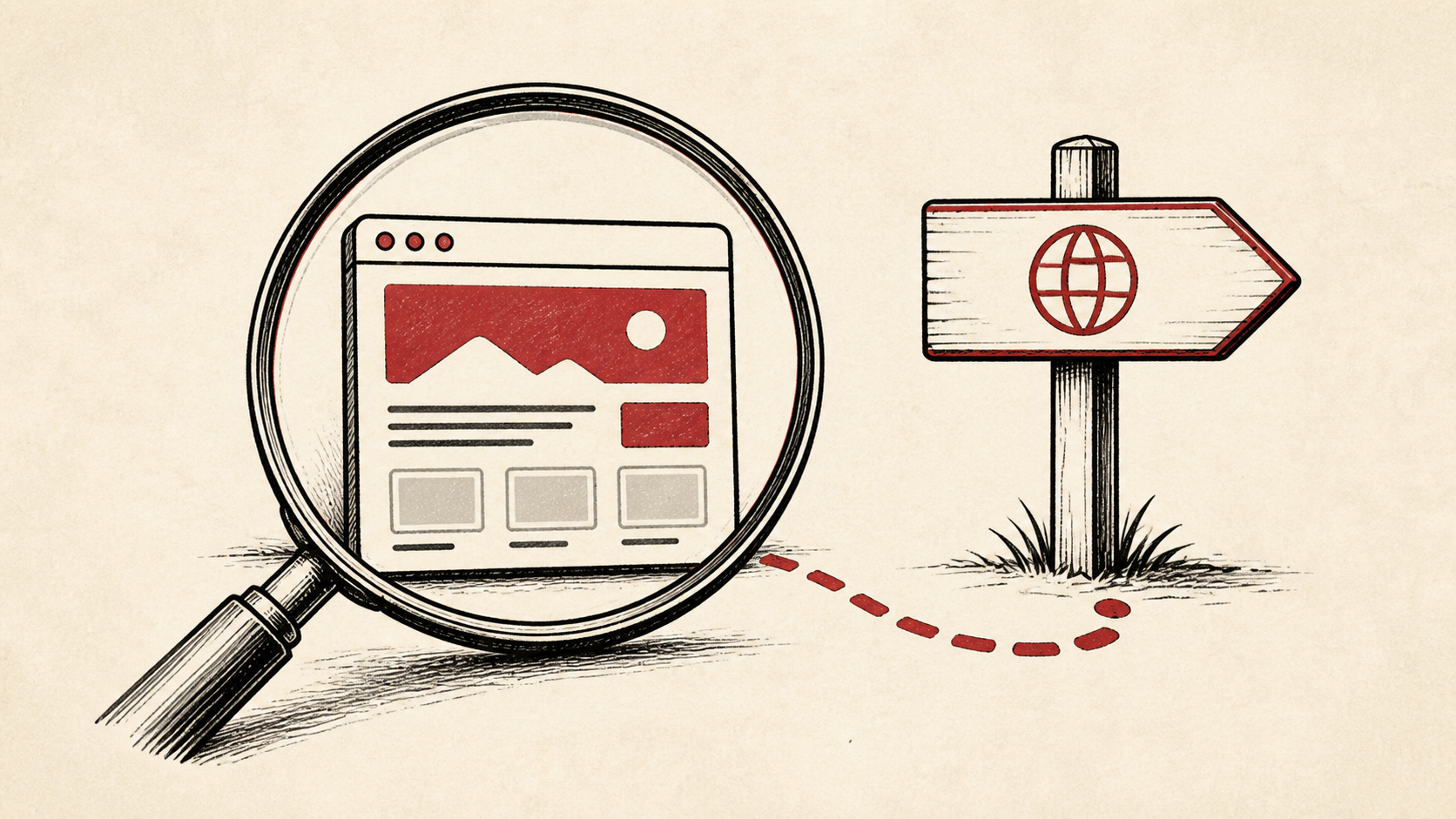
Connect a domain to hosting in four steps: which A record or CNAME to change, how to verify with dig, and when to switch nameservers instead.
Migrate your website to a new host with zero downtime: copy, test via your hosts file, drop the DNS TTL, then cut over with a rollback ready.
One email when we publish something worth your time. No spam, unsubscribe whenever.