When Is Dedicated Server Hosting Worth Paying For?
Dedicated server hosting is a big jump from a VPS. How to tell when traffic, memory, or control justify it, and when to stay put.
By Matthew Zhao · Editor, Hosted EZ

Dedicated server hosting means renting a whole physical machine instead of a slice of one, and for most small sites it is more server than the problem requires. The honest way to decide is to name the bottleneck first: traffic, memory, a database, or the need to control the machine yourself. This guide walks through that decision, plus the plan-reading that stops an expensive mistake.
This guide focuses on the questions a small-site owner can answer safely. It also points out where a host or a developer needs to weigh in. Read how to choose a web host if the whole setup is under review, and our guide to migrating without downtime before moving to any new server.
Start with the responsibility boundary
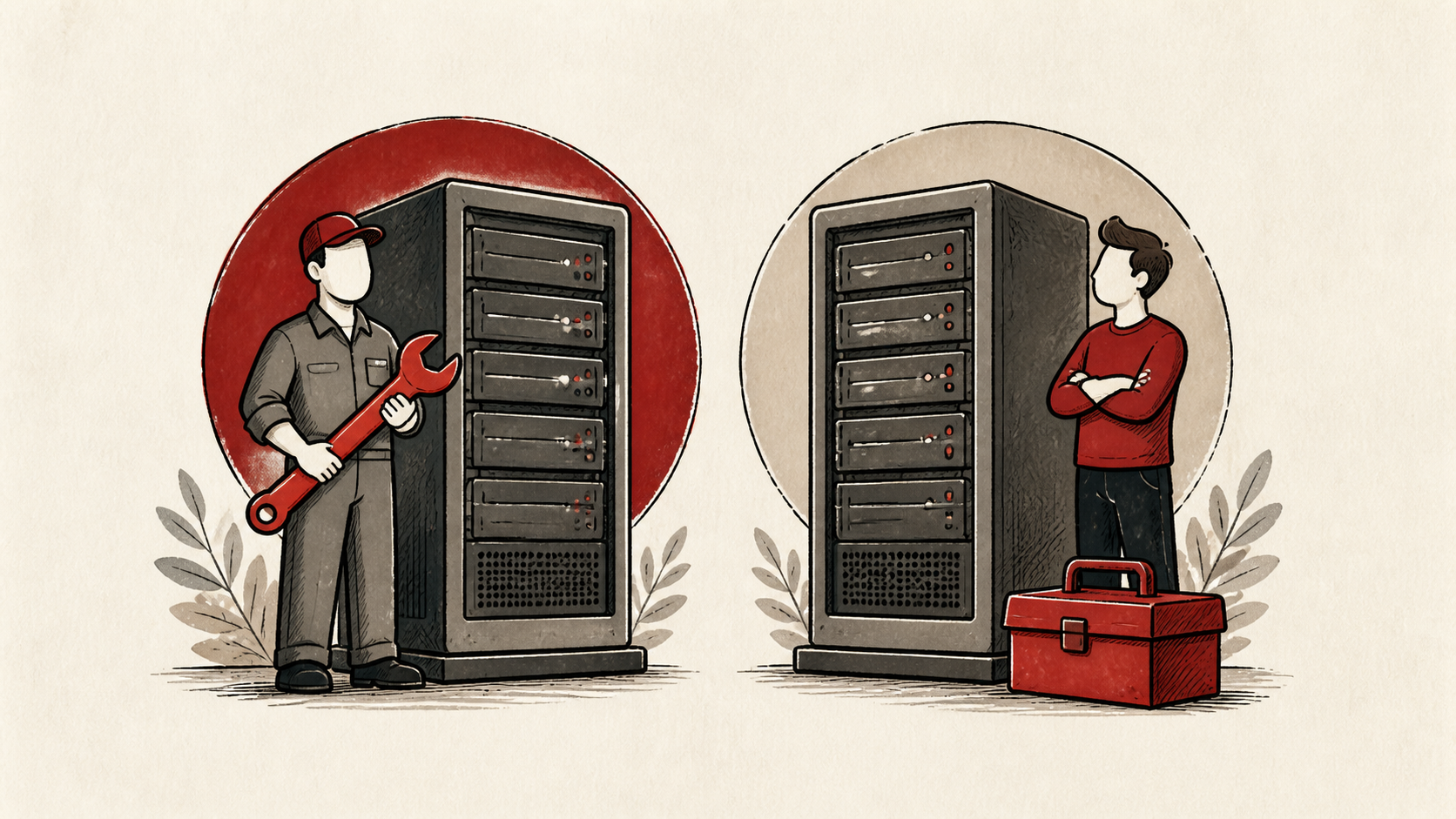
Shared hosting keeps most server work out of your hands. VPS hosting gives you more control and more chores. A dedicated server hands you all of the control and all of the chores, unless you pay extra for a managed plan where someone else owns a defined part of them.
Make a short note of what you run today: plan name, memory, storage, and the last time the site felt slow. You want enough detail to compare plans without relying on memory.
Find the bottleneck before you upgrade hosting
Match the plan to the first bottleneck you expect: traffic, memory, a database, or deployment control. Buying a larger machine without knowing the bottleneck is an expensive way to postpone a decision.
Most bottlenecks have a cheaper fix than new hardware. Caching absorbs traffic spikes, an index fixes a slow database, and a VPS one size up buys memory for far less than a whole machine.
When dedicated server hosting earns its price
Read the resource policy before changing plans. CPU limits, memory, storage, backups, and network transfer do not behave the same way, even when two plans have the same headline price. Expect a dedicated machine to cost several times a comparable VPS in 2026.
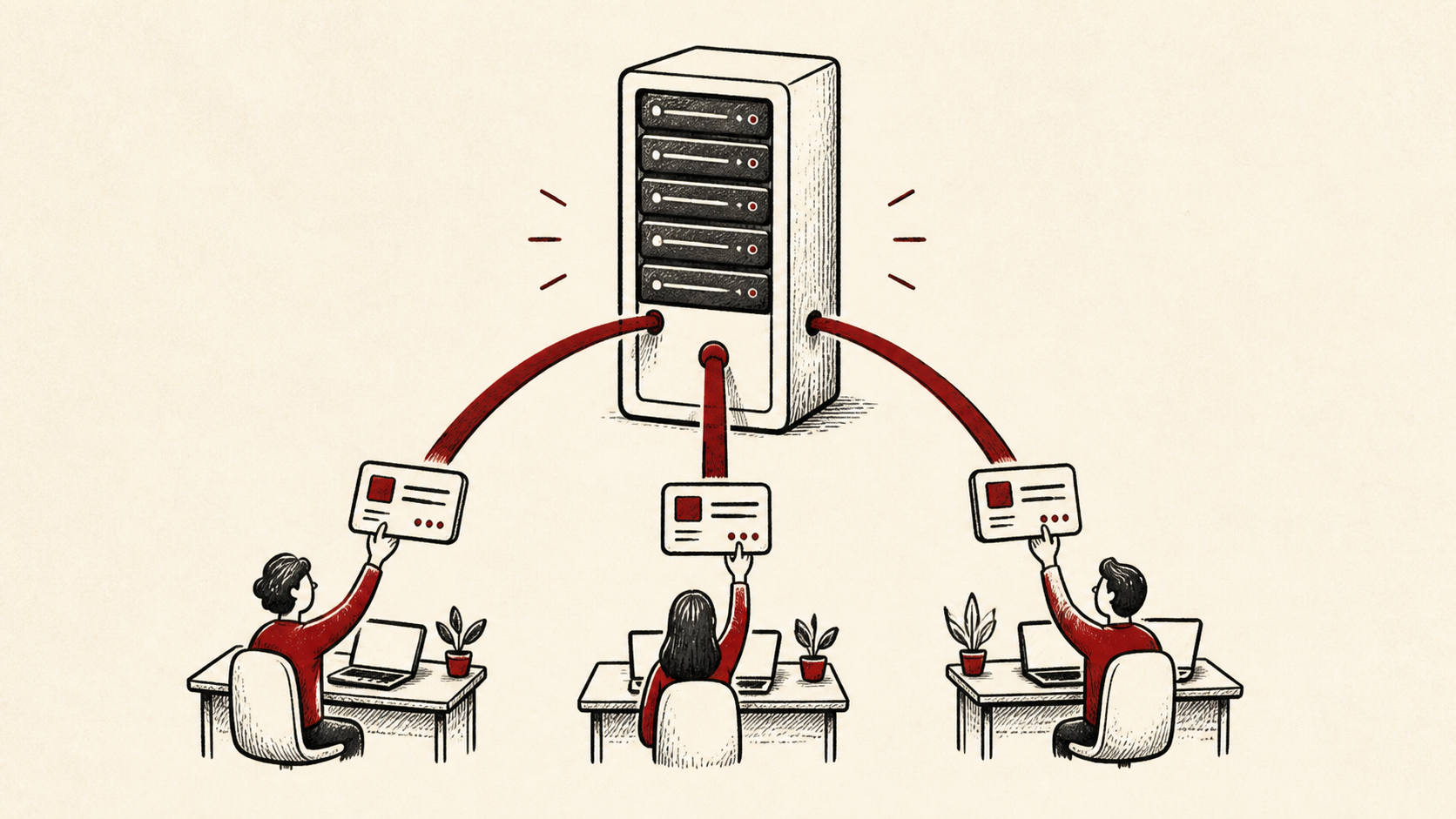
Dedicated server hosting earns that gap in two situations: you need consistent performance that no noisy neighbor can disturb, or you need root access to hardware you tune yourself. Compliance rules that require single-tenant hardware are the third, rarer case. Test the normal path first after any move, then the page with the most consequence; for a store, that is checkout.
When to stop and ask for help
Stop when the next action could overwrite data or take the site offline. Send support the domain, time in UTC, exact error, and the changes you made. Ask the sales side, in writing, what the path back down looks like; moving off a dedicated machine should not require starting over.
Cloudflare's cloud-server guide has useful background on how these machine types differ: Cloudflare's cloud-server guide. Use it to understand the terms, then return to the small, reversible next step.
A sensible maintenance habit
Put the final plan details and the result in a short maintenance note. Hosting decisions repeat because nobody remembers why the last plan was chosen or which limit forced the move. A dated note turns the next capacity question into a lookup instead of an investigation.
Keep the change auditable
Use a short before-and-after record. Write the plan you had, its limits, the exact time you switched, and the result of the test. If the change has a delay, such as a DNS TTL or a cache expiry, write the time you expect the new server to be visible. This record is useful even when everything works. A few months later, it tells you whether the upgrade paid off.
Do not confuse an account dashboard with evidence from the live site. A dashboard can show a healthy server. The visitor still needs to receive the page you intended. Test from outside the account, and use a second connection if a cached answer could mislead you.
If you hand the task to someone else, give them the record rather than a conclusion. "The site is slow" is hard to investigate. "The delay began after this update, affects this URL, and persists in a private window" gives the next person a useful starting point.
One last check
Before you close the ticket or move to the next task, repeat the action that prompted the change. Use the ordinary path a visitor or colleague would use, not only the account dashboard. If the result is different, note the difference and keep troubleshooting from that point. A quiet confirmation now is much easier than discovering the missed detail during a launch or an outage.
Leave a useful handoff
Save the final test result with the date and plan involved. If someone else needs to revisit the decision, they should be able to see what changed without reconstructing the whole history from billing emails.
Bottom line
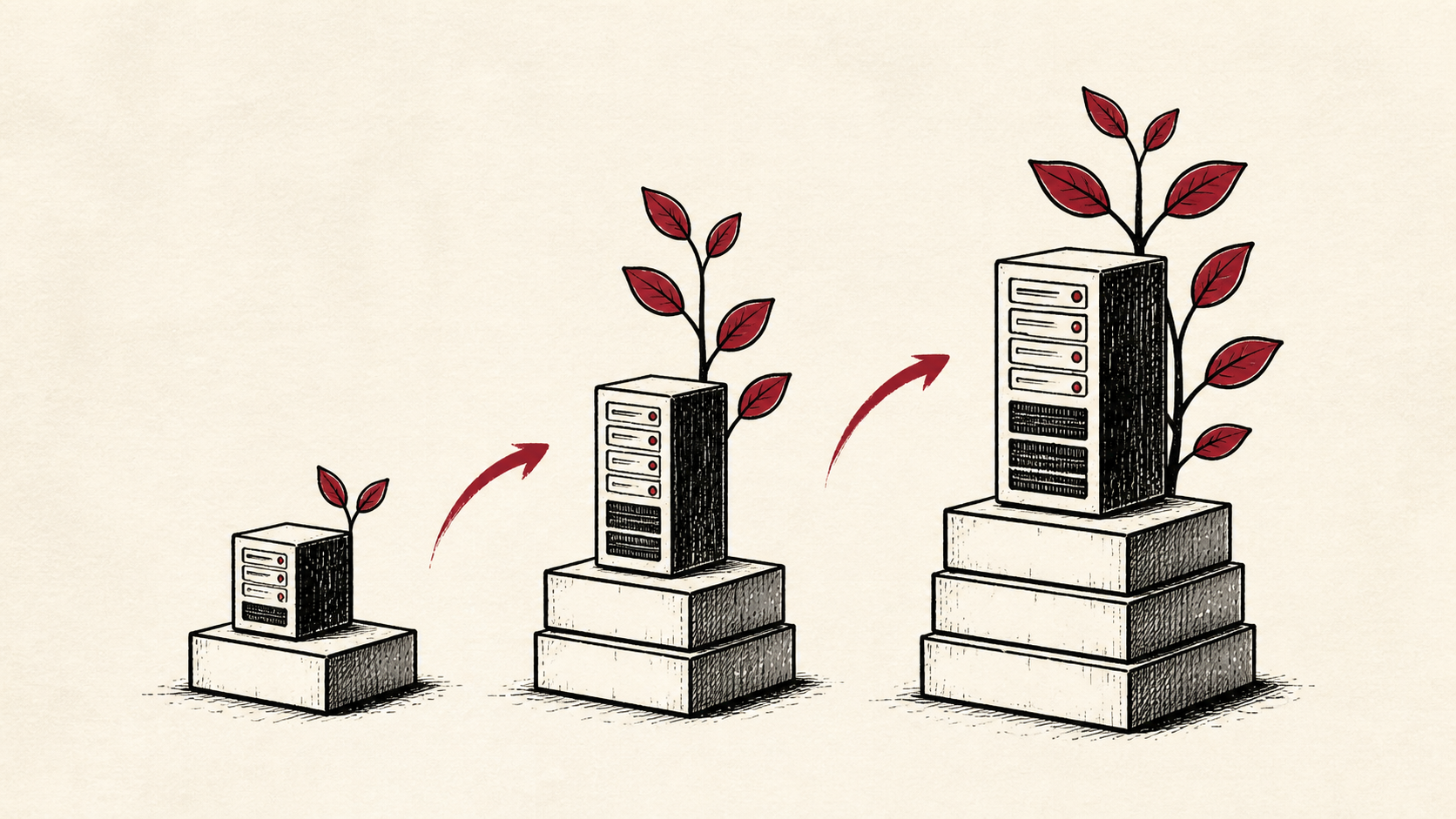
Dedicated server hosting is worth paying for when you can name the bottleneck it removes and a cheaper tier cannot remove it. Move up one step at a time, keep the old plan until the new one is proven, and let the resource policy, not the headline price, make the call.
Frequently asked questions
Should I upgrade hosting one tier at a time?
Yes. Move one step, test it, and keep the previous plan until you know the result is stable.
What should I give hosting support before switching plans?
Give the domain, exact URL or service, UTC time, error text, and steps already tried. That is usually enough for support to say whether a bigger plan would help.
Should I keep a backup before moving to a dedicated server?
Yes. Download or verify a recent backup before any change that affects files, databases, email, DNS, or software versions.
About the author
Matthew Zhao
Matthew has spent his career running production server fleets — tens of thousands of machines' worth. He writes about hosting the way he wishes someone had explained it to him: plainly.
About Hosted EZ →Get the next guide in your inbox
One email when we publish something worth your time. No spam, unsubscribe whenever.