Website Hosting Costs in 2026: The Real Numbers
Website hosting costs rarely match the sticker price. Realistic 2026 numbers by site type, the renewal jumps, and where cheap web hosting is safe.
By Matthew Zhao · Editor, Hosted EZ
Ask a hosting company about website hosting costs and you'll get a number ending in .99, usually next to a countdown timer. Ask your bank statement a year later and you'll get a different number, often two or three times bigger. Both numbers are real, but only one of them is your budget.
The gap comes from how the industry prices things. Hosts discount the first term steeply, raise the rate at renewal, and save the add-ons for the checkout page. None of it is a scam, exactly. It just means the sticker price answers a different question than the one you're asking.
This guide is about the second number: what your site will cost per month, all in, once the intro pricing expires. It puts realistic 2026 numbers on four common site types and flags where cheap is smart and where it gets expensive.
The advertised price vs. the real price
That $2.99-a-month plan carries three asterisks, and they compound.
The teaser rate. The headline price almost always requires paying one to three years upfront. Pick monthly billing instead and the rate often doubles before you've done anything at all. So "$2.99 a month" can quietly mean "$108 today, please."
The renewal jump. Intro pricing is a customer-acquisition cost, and the bill comes due at renewal. Shared hosting commonly renews at two to four times the intro rate, and the email announcing the increase tends to arrive after auto-renew has already fired. When the $2.99 plan turns into $11 in year two, nothing has malfunctioned. That's the business model.
The add-ons. Domain privacy, malware scanning, automated backups, staging environments, "priority" support, extra email accounts: features that cost nothing elsewhere show up at checkout as pre-ticked boxes. Each one is a few dollars a month. Together they can outgrow the hosting itself.
None of this makes budget hosting a bad deal. It does make the checkout page worth reading the way you'd read a restaurant bill in a tourist district. Budget on renewal prices, untick what you don't need, and the math usually works out fine.
What goes into your website hosting cost
Hosting is one line item. A functioning website usually has five or six, and forgetting one is how "my site costs $5 a month" turns into a surprise.
Domain name. A typical .com runs roughly $10 to $20 per year at a reputable registrar, with a small fixed slice going to the registry and to ICANN, the organization that coordinates the domain name system. Watch out for the year-one domain deal: the $0.99 domain that renews at $25 is the hosting teaser in a different hat. Trendy extensions like .io and .ai cost several times more than a .com, and they renew accordingly.
Hosting itself. Shared hosting realistically lands at $5 to $15 per month at renewal, a small VPS at roughly $6 to $30, and managed platforms or cloud setups scale up from there. If those tiers sound fuzzy, our breakdown of shared vs. VPS vs. dedicated vs. cloud hosting explains what each one actually buys you.
SSL certificate. This should cost you nothing. Let's Encrypt issues free certificates that renew automatically and are trusted by every major browser, and any host worth using installs them by default. A host charging $50 or more per year for a basic certificate is charging for something the internet gives away. Paid certificates earn their keep only in narrow cases, like organization validation for certain compliance requirements.
Email. Hosting-bundled email exists, but its deliverability reputation is often shaky, which is a poor trait for the address on your invoices. Most businesses end up on a dedicated email provider at roughly $3 to $10 per user per month. Budget it as its own line from day one and it never becomes a surprise.
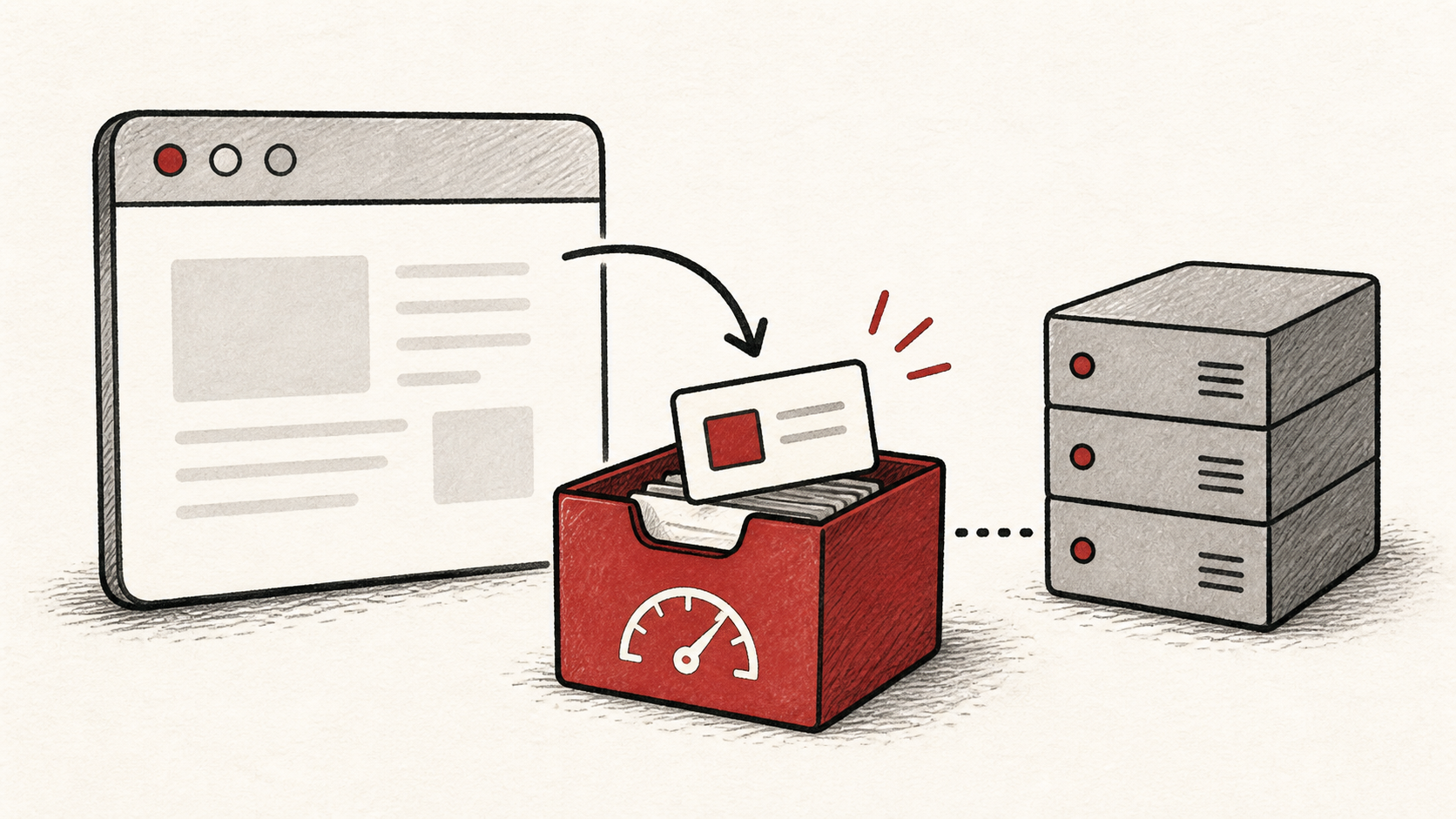
Backups. Some hosts include daily backups. Many charge $2 to $5 per month for them, and a few only offer paid restore-on-request, a fee for your own data at the worst possible moment. Whatever the host provides, keep at least one copy somewhere the host can't touch. An outage that takes your site and its backups down together is not hypothetical.
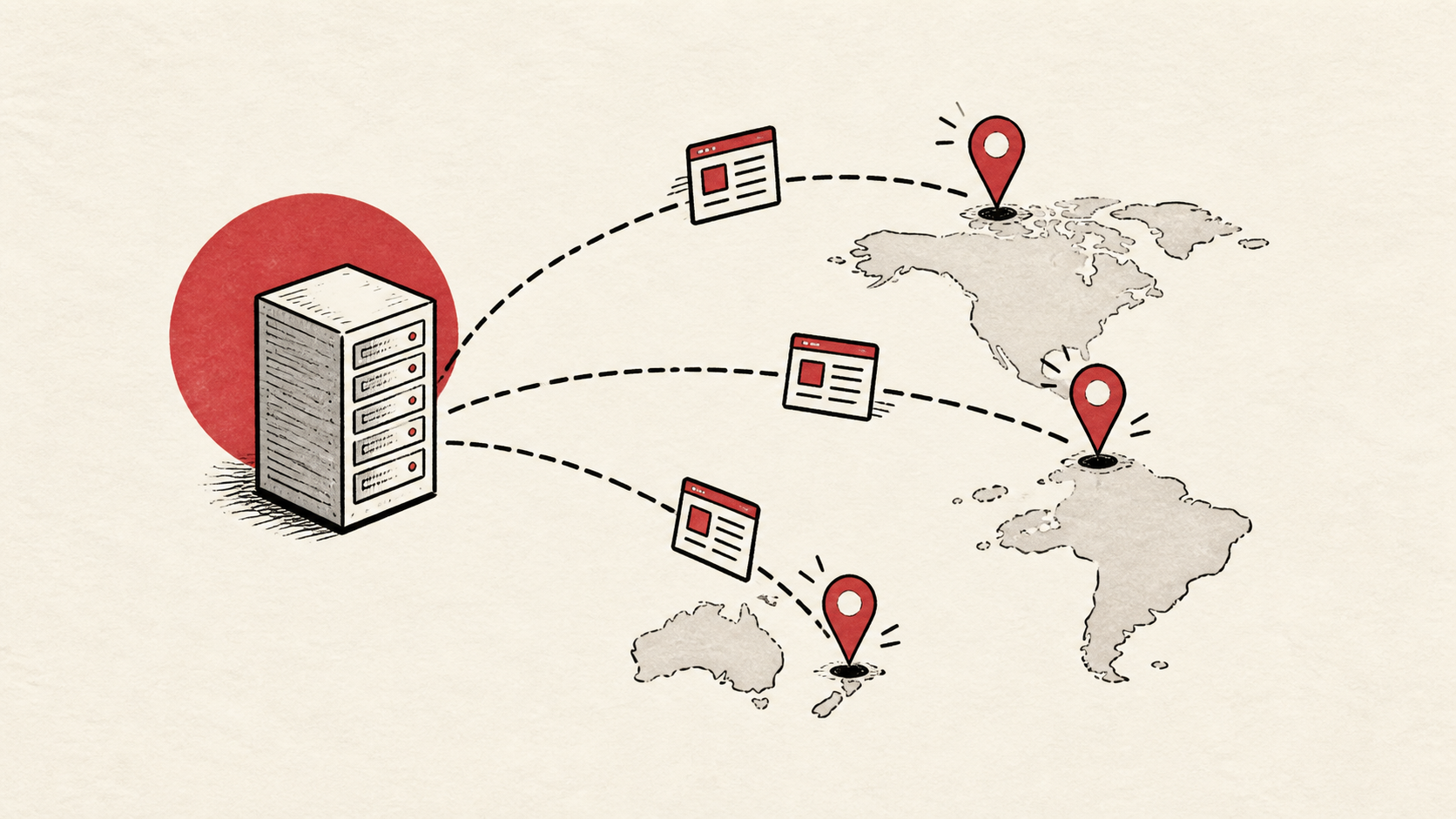
CDN and extras. A content delivery network caches copies of your site around the world so pages load fast everywhere. Free tiers cover most small sites, and paid plans start around $10 to $25 per month. On top of all this, add whatever is specific to your site: premium themes or plugins, transactional email, uptime monitoring.
How much does web hosting cost in 2026?
Broad strokes, in USD, at renewal prices rather than intro prices:
| Site type | What it looks like | Realistic monthly all-in |
|---|---|---|
| Hobby site | Blog or portfolio, modest traffic | $3-12 |
| Business site | Marketing site, forms, email for a few people | $25-75 |
| Web app | Custom backend, database, staging, monitoring | $50-200 |
| High-traffic site | Heavy monthly traffic, ecommerce or media | $200-1,000+ |
A few notes on reading that table. The hobby range can drop to nearly zero if you use a static-site platform's free tier, since the domain then becomes your only recurring cost. The business range mostly buys email seats and a sturdier hosting plan rather than exotic infrastructure.
The web app range is wide because it depends on who runs the servers. A self-managed VPS sits at the cheap end, a managed platform at the expensive end, and the difference is whether you pay in dollars or in your own evenings. Our managed vs. unmanaged hosting guide walks through that trade honestly.
Where it's safe to go cheap and where it isn't
Going cheap is a legitimate strategy. It just works better in some parts of the stack than others.
Safe to go cheap:
- Your starting hosting tier. Cheap web hosting is a fine place to start: upgrading is a ten-minute job on most platforms, so let real traffic justify the next tier. Nobody hands out medals for over-provisioning.
- SSL. It's free. Paying for a basic certificate in 2026 is paying for bottled tap water.
- CDN. The free tiers are genuinely good and cover the vast majority of small and mid-sized sites.
- The domain, provided you check the renewal price before registering and skip the impulse extensions.
Not safe to go cheap:
- Backups. A backup plan costs a few dollars a month. Not having one can cost you the whole site, which makes this the least glamorous line in the budget and the only irreplaceable one.
- Email deliverability. If your messages land in spam, everything downstream quietly breaks: invoices, password resets, replies to customers.
- Support, once the site earns money. When downtime costs revenue, a host with competent humans who answer quickly is insurance worth paying for.
- Your own time. A $6 unmanaged VPS is only cheap if your hours are free. Price the maintenance work honestly before you choose it.
If you're weighing hosts right now, our guide on how to choose a web host turns these priorities into an actual shortlist.
How costs scale with traffic
The reassuring part is that web hosting costs rise in steps, not in a smooth line that climbs with every visitor.
Going from zero to a few thousand visits a month usually changes nothing; entry-level plans absorb it without noticing. Somewhere in the tens of thousands of monthly visits, shared hosting starts to strain, and moving to a VPS or a managed platform typically adds $20 to $50 a month. Beyond that, growth is less about visitor counts and more about what each visitor makes your server do.
Watch two things early. Cloud platforms often meter outbound bandwidth, so image-heavy pages and file downloads can raise the bill faster than raw traffic does. Caching pulls the other way: a CDN serving your static files can absorb the bulk of a traffic spike before it ever reaches your server, which makes a free CDN tier the highest-leverage item in the entire stack.
So before paying for a bigger server, check whether caching solves the problem for free. It often does. And the real budget-eater is complexity rather than traffic: a database-heavy app with a hundred users can legitimately cost more to run than a static site with a hundred thousand readers.
Keep a running total
Keep a short record of what you actually pay: each service, its renewal date, and its renewal price. Your real website hosting cost is scattered across a registrar, a host, an email provider, and a few tools, and no single dashboard adds it up for you.
The record earns its keep at renewal time. When a line item jumps, you can see instantly whether it was the plan, an add-on, or a lapsed discount — and decide with numbers instead of a vague sense that hosting got expensive.
One last check
Before you enter a card number, check three things: the renewal price, the billing term the headline price requires, and which pre-ticked add-ons are sitting in the cart. A quiet check now is much easier than discovering the real price when auto-renew fires next year.
Bottom line
Budget on renewal prices, count every layer of the stack, and let the free things (SSL, CDN tiers, static hosting) do their jobs. Most sites cost less than their owners fear and more than the banner ad promised. The number that matters is your all-in website hosting cost at renewal, so get it on paper before you enter a card number.
Frequently asked questions
Why is my renewal price so much higher than what I signed up at?
Because the intro rate was a customer-acquisition discount rather than the product's price. Shared hosts commonly renew at two to four times the teaser rate, betting that migrating feels like more trouble than paying. Check the renewal price before buying, and set a reminder a month before your term ends.
Do I ever need to pay for an SSL certificate?
Almost never. Let's Encrypt provides free, browser-trusted certificates that renew automatically, and most hosts integrate them out of the box. Paid certificates matter only in narrow situations, such as organization validation for specific enterprise or compliance requirements.
Can I host a website for free?
Mostly, yes. Static-site platforms will host a personal site at no cost, and their free tiers are legitimate, though you'll still pay for the domain and accept limits on bandwidth, builds, and support. Free is a fine place to start and a poor place to run a business.
What's the most common hosting overspend?
Paying for things that are free elsewhere: SSL certificates, basic backups, domain privacy, and email forwarding are the usual suspects. The runner-up is buying a bigger server than your traffic needs "just in case." Wait until your metrics ask for the upgrade.
About the author
Matthew Zhao
Matthew has spent his career running production server fleets — tens of thousands of machines' worth. He writes about hosting the way he wishes someone had explained it to him: plainly.
About Hosted EZ →Get the next guide in your inbox
One email when we publish something worth your time. No spam, unsubscribe whenever.